Call Us Today!
(703) 669-8688
New Patients
(703) 202-1740


A deep cleaning, commonly called scaling and root planing, is a focused periodontal procedure that goes beyond a routine dental cleaning. Where a standard cleaning removes plaque and tartar from the visible surfaces of the teeth, a deep cleaning targets the hard-to-reach area below the gumline. This is the zone where bacterial buildup can lead to inflammation, pocket formation, and progressive gum disease if left untreated.
Addressing these hidden deposits is important because periodontal disease is not only a local oral health issue — it can affect overall wellness. Left unchecked, inflammation and bacterial colonization under the gums can cause attachment loss and bone deterioration around teeth. Early intervention with a deep cleaning helps halt this process and gives soft tissues a chance to heal and reattach.
Patients often notice that their gums feel less swollen and bleed less frequently after successful treatment. While a deep cleaning is not a cosmetic procedure, the long-term benefits include improved breath, better gum health, and a stronger foundation for any restorative or preventive care. For many people, it is the single most effective non-surgical step for stabilizing periodontal disease.
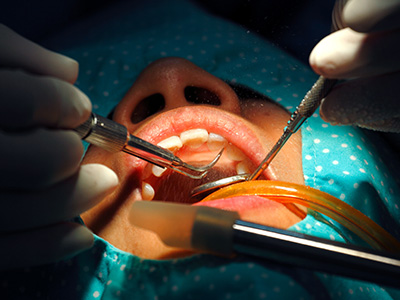
Scaling removes plaque and tartar from tooth surfaces both above and below the gumline. Clinicians use specialized instruments — manual scalers or ultrasonic devices — to break up and remove hardened deposits. Ultrasonic scalers use a gentle vibrating tip and water irrigation, which can be particularly effective in flushing bacteria from periodontal pockets while minimizing discomfort.
Root planing follows scaling and focuses on smoothing the root surfaces. A rough root surface encourages further bacterial adhesion and prevents the gum tissue from reattaching securely. By carefully planing these surfaces, the clinician creates a cleaner, smoother environment that supports tissue healing and reduces pocket depth over time.
Depending on the severity of periodontal involvement, providers may treat the mouth in quadrants over multiple appointments to maximize comfort and allow tissues time to respond between visits. Local anesthesia is commonly used to ensure patients remain comfortable during the procedure. The clinical goal is measurable improvement in pocket depth, reduced bleeding on probing, and enhanced tissue health.
Deep cleaning is recommended for patients showing signs of periodontitis: bleeding gums during brushing or flossing, persistent bad breath, gum recession, or deeper periodontal pockets noted during an exam. Radiographs that show bone loss around teeth can also indicate the need for scaling and root planing. Your dentist or hygienist determines candidacy through a comprehensive periodontal evaluation.
It’s important to recognize that periodontal disease can progress silently. Many people tolerate mild symptoms for months before seeking care. Early-stage gingivitis can often be reversed with improved home care and routine cleanings, but once pockets form and bone is affected, deep cleaning becomes a central part of treatment. Prompt attention improves the likelihood of restoring periodontal health without surgical intervention.
Certain factors raise the risk of periodontal problems — tobacco use, uncontrolled diabetes, hormonal shifts, and genetic predisposition among them. If you have one or more risk factors, more frequent periodontal monitoring and earlier intervention with deep cleaning may be advised. Discuss your medical history and lifestyle with your dental team so they can recommend an appropriate plan.
A typical appointment begins with a thorough assessment and local anesthesia to numb the areas being treated. The clinician will proceed with scaling to remove deposits, then perform root planing to smooth root surfaces. Appointments may be split over two or more visits to ensure thoroughness and patient comfort. The entire process is clinical and methodical rather than rushed.
Immediately after treatment, patients may experience mild soreness, increased sensitivity to temperature, or slight gum tenderness — reactions that generally subside within a few days. Your dental team will review post-procedure instructions, which often include gentle brushing techniques, temporarily avoiding certain foods, and using any prescribed rinses to support healing. Over-the-counter pain relievers are typically sufficient when needed.
Follow-up is a critical component of success. A reevaluation a few weeks after treatment allows the clinician to measure pocket depths and determine how well tissues are responding. Patients who show meaningful improvement may transition to a periodontal maintenance schedule tailored to their needs. Those with persistent deep pockets may be guided toward additional periodontal therapies.
A deep cleaning is a powerful therapeutic step, but its long-term success depends on effective home care and regular professional maintenance. Daily plaque control — thorough brushing twice a day, interdental cleaning with floss or other adjuncts, and, when appropriate, antiseptic rinses — helps prevent the return of harmful deposits that lead to pocket formation. Your dental team will demonstrate techniques that fit your specific anatomy and dexterity.
After healing, many patients enter a periodontal maintenance program with more frequent professional care than routine six-month checkups. These appointments focus on removing any recurring buildup and monitoring periodontal health. Consistency in these visits is one of the best predictors of lasting disease control and tooth retention.
Behavioral factors also matter. Smoking cessation, diabetes management, and nutrition all influence tissue response and healing. The dental team can work alongside your medical providers to coordinate care and recommend strategies that support both oral and overall health. With attentive home routines and scheduled maintenance, patients can often keep periodontal disease in check and preserve their natural teeth for years to come.
In summary, a deep cleaning is a targeted, evidence-based approach for treating periodontal disease and stabilizing gum health. When performed and followed by appropriate home care and maintenance, it can reduce inflammation, promote reattachment of gums to tooth roots, and protect long-term oral function. If you have concerns about bleeding gums, persistent bad breath, or pocketing, contact us to learn more and determine whether scaling and root planing are right for you.
A deep cleaning, also known as scaling and root planing, is a periodontal procedure that removes plaque and tartar from below the gumline. It helps treat gum disease by targeting bacteria in areas that regular cleanings cannot reach.
A deep cleaning helps stop the progression of gum disease by removing harmful bacteria and buildup beneath the gums. This treatment reduces inflammation, helps gums heal, and protects the bone supporting your teeth.
A regular cleaning focuses on the visible surfaces of the teeth and above the gumline, while a deep cleaning targets areas below the gumline where bacteria can cause periodontal disease.
During scaling, plaque and tartar are removed from above and below the gumline. Root planing then smooths the tooth roots to help the gums reattach and prevent future bacterial buildup. The procedure is typically done with local anesthesia for comfort.
Patients with signs of gum disease—such as bleeding gums, bad breath, gum recession, or deep periodontal pockets—may need a deep cleaning. Your dentist or hygienist will determine this through a comprehensive exam.
After treatment, you may experience mild soreness or sensitivity for a few days. Your dental team will provide aftercare instructions, including gentle brushing, avoiding certain foods, and possibly using a medicated rinse to support healing.
Maintaining results requires good oral hygiene, including brushing twice daily, flossing, and attending regular periodontal maintenance visits. Lifestyle factors such as quitting smoking and managing health conditions like diabetes also play an important role.