Call Us Today!
(703) 669-8688
New Patients
(703) 202-1740


In terms of repairing dental imperfections, masking of discolorations, or the closure of gaps between teeth, a dental bonding procedure is considered one of the most effective, economical, and quickest methods of care. Unlike porcelain veneers or ceramic crowns, which are necessary to conceal more significant defects, a dental bonding procedure is a minimally invasive way to transform a less-than-perfect tooth into one that appears flawless.
At Village Dental of Leesburg, we use the latest generations of dental materials and composite resins to perform bonding procedures that restore tooth structure lost to dental chips, or decay, as well as to conceal stains or discolorations, close gaps, and improve the look of misshapen or undersized teeth. Our skilled and experienced professional team combines the art and science of dentistry to achieve aesthetically pleasing, durable, and long-lasting results of care. Your new dental bonding will appear naturally beautiful so that you can feel confident sharing your smile with the world.
To find out more about how we can improve the look, health, and function of your smile with dental bonding procedures, or one of the many other restorative and cosmetic dental solutions that we provide, give us a call today.
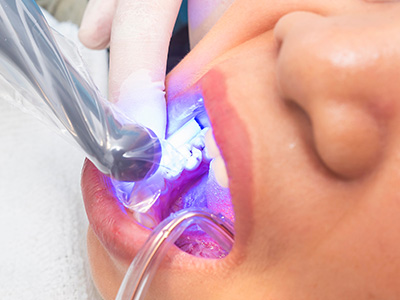
Dental bonding is a minimally invasive cosmetic and restorative treatment that uses tooth-colored composite resin to reshape, repair, or conceal imperfections. The resin is matched to the natural shade of the tooth and can be sculpted directly onto enamel to restore form and function. Once applied, the material is hardened with a curing light and polished to blend with surrounding teeth for a natural appearance.
The procedure preserves more of the natural tooth structure than many other restorations because little to no removal of healthy enamel is required. Bonding is versatile and can address chips, cracks, minor gaps, and discolorations when conservative treatment is appropriate. Results are immediate, allowing patients to leave the office with an improved smile after a single visit in most cases.
Bonding is well suited for repairing small chips and fractures, closing narrow diastemas (gaps), and reshaping teeth that appear uneven or undersized. It is also commonly used to mask intrinsic or extrinsic discolorations when bleaching is insufficient or not desired. In restorative situations, bonding can fill small cavities or replace old, failing composite fillings to restore tooth integrity.
Because bonding is applied directly to the tooth, it can be customized to correct a wide range of cosmetic concerns without committing to more invasive treatments. However, extensive structural damage, large cavities, or significant bite-related wear may be better treated with crowns, veneers, or other restorative options. A clinical exam helps determine whether bonding is the most appropriate choice for an individual tooth.
Bonding can be an excellent conservative alternative to veneers or crowns for minor cosmetic concerns and small structural repairs because it typically requires less alteration of the natural tooth. Veneers and crowns provide greater strength and long-term durability for teeth with extensive damage, heavy staining, or significant shape changes and are often recommended when more comprehensive restoration is needed. The choice between bonding, veneers, or crowns depends on the extent of the defect, aesthetic goals, and the tooth’s functional demands.
A thorough evaluation of enamel thickness, occlusion, and tooth vitality helps guide the treatment plan and predict outcomes. In many cases bonding serves as a transitional or long-term solution that preserves options for future restorative work if required. Discussing goals and expectations with your dental team will clarify which option balances aesthetics, function, and conservation of natural tooth structure.
During the appointment the dentist begins by selecting a composite shade that matches adjacent teeth and then cleans and lightly prepares the tooth surface. A mild etching solution may be applied to help the resin adhere, followed by application of a bonding agent and the composite material, which is sculpted to achieve the desired shape. Each layer of resin is cured with a special light, and once the build-up is complete the tooth is contoured and polished to create a natural luster.
The procedure generally takes less time than laboratory-based restorations and is often completed in one visit, depending on the number of teeth involved. After shaping and final adjustments the dentist will check your bite to ensure proper contact and comfort. Patients receive home care recommendations to protect the bonded areas and preserve the appearance of the restoration.
Maintaining bonded teeth begins with excellent oral hygiene: brush twice daily with a fluoride toothpaste and floss once a day to remove plaque and prevent decay at restoration margins. Avoiding habits that stress the resin, such as biting fingernails, chewing ice, or opening packages with your teeth, will reduce the risk of chipping or dislodgement. Regular dental checkups and professional cleanings help monitor the integrity of bonded restorations and address any early wear or staining.
While bonded surfaces are durable, they are more susceptible to staining than porcelain, so limiting highly pigmented foods and beverages—such as coffee, red wine, and tobacco—will help maintain color. If you play contact sports or grind your teeth at night, discuss protective options like a mouthguard or occlusal appliance to safeguard bonded areas. Prompt attention to any sensitivity, rough edges, or cosmetic changes can prevent minor issues from becoming larger problems.
The lifespan of dental bonding varies by individual but commonly ranges from several years up to a decade or longer with proper care and maintenance. Factors that influence longevity include the location of the restoration, the amount of biting force applied, oral hygiene habits, and exposure to staining substances. Routine wear and small chips may occur over time, especially on front teeth that endure regular chewing and contact.
Longevity is also affected by the quality of the adhesion and the dentist’s technique when placing the resin. Regular dental visits allow your clinician to evaluate bonded restorations and perform maintenance such as polishing, minor repairs, or replacement when wear compromises esthetics or function. With appropriate care many patients enjoy years of satisfactory performance from bonded restorations.
Most patients experience little to no discomfort during a bonding procedure because only the surface of the tooth is typically involved and significant tooth reduction is not necessary. When sensitivity is anticipated or when working near a decayed or compromised area, the dentist may administer a local anesthetic to ensure comfort throughout the procedure. The application of resin and curing are painless steps, and many patients describe the experience as similar to a routine filling.
After the appointment some mild sensitivity to temperature or pressure can occur but usually resolves within a few days as the tooth adjusts. If sensitivity is prolonged or if a bonded area feels rough or high in the bite, contacting the dental office for an evaluation allows for quick adjustments. Your dentist will explain anesthesia options and post-procedure care based on the extent of treatment and your comfort needs.
Good candidates for bonding are patients who have small cosmetic concerns such as minor chips, gaps, surface discolorations, or slightly misshapen teeth and who prefer a conservative treatment option. Bonding is also appropriate for individuals seeking a quick improvement without the enamel removal required for veneers or crowns. A thorough oral exam will determine whether the tooth structure is sound and whether bonding can provide a durable, aesthetic outcome.
Patients with heavy bruxism, extensive decay, or very large restorations may be better served by alternative treatments that offer greater strength and longevity. At Village Dental of Leesburg our clinicians evaluate bite dynamics, enamel condition, and long-term goals before recommending bonding, ensuring the chosen approach aligns with each patient’s needs. If bonding is not ideal, the team will discuss other restorative or cosmetic options that meet clinical requirements.
Composite resin used in bonding does not respond to professional bleaching in the same way natural enamel does, so whitening bonded teeth after placement may result in a mismatch between the tooth and the bonded material. For predictable color outcomes it is typically recommended to complete any desired tooth whitening before placing bonding so the resin can be matched to the new shade of your natural teeth. If bonding is already in place and you wish to whiten, existing restorations may need replacement or adjustment to harmonize with lighter tooth color.
Your dentist will advise an appropriate sequence for whitening and bonding based on the anticipated results and the condition of existing restorations. In-office or take-home whitening options can be combined with restorative planning to achieve a cohesive smile appearance. Regular follow-up ensures that any color changes in natural teeth are addressed in coordination with the bonded restorations.
Signs that a bonded restoration may require attention include visible chips or cracks, noticeable discoloration that affects appearance, persistent sensitivity, or a feeling that the tooth is catching when you run your tongue over it. Changes in bite, recurrent decay at the margins, or repeated wear are additional indicators that repair or replacement may be necessary. Because bonding is a conservative restoration, minor repairs are often possible without replacing the entire restoration.
During routine dental visits the clinician will assess the condition of bonded areas and recommend polishing, spot repairs, or full replacement depending on the extent of change. Prompt evaluation of any concerns helps preserve tooth structure and maintain aesthetics and function. Your dentist will explain the options and expected outcomes so you can make an informed decision about ongoing care.