Call Us Today!
(703) 669-8688
New Patients
(703) 202-1740


When decay or a small fracture affects a tooth, the goal is to restore function while keeping as much of the natural tooth as possible. Contemporary composite fillings allow dentists to repair damage conservatively by bonding restorative material directly to enamel and dentin. That bonding capability often means less healthy tooth structure needs to be removed compared with older, more invasive techniques.
Conservative treatment preserves the tooth’s strength and long-term prognosis. By focusing on preservation, your dental team can address a cavity or minor damage quickly and return the tooth to service with minimal impact on surrounding tissue. This less-invasive approach also helps maintain a more favorable foundation for any future restorative work.
At Village Dental of Leesburg, we emphasize treatments that support the tooth’s natural anatomy and long-term health. When appropriate, we recommend tooth-colored restorations that protect the tooth while maintaining its appearance and function.
Composite resin is a blend of plastic and fine glass particles that can be closely matched to the shade of your surrounding teeth. Because the material comes in a variety of shades and translucencies, a skilled clinician can recreate the subtle variations that make a restoration blend in rather than stand out. The result is a strong, discreet repair that complements your smile.
Beyond aesthetics, modern composites have been engineered for durability. They bond chemically to the tooth surface, creating a sealed interface that reduces the risk of recurrent decay at the margins. Advances in adhesive systems and filler technology have improved wear resistance and polishability, helping restorations maintain both form and finish over time.
Composites are also metal- and mercury-free, which appeals to patients who prefer biocompatible, tooth-colored options. For many situations—small to moderate cavities, chip repairs, and certain cosmetic improvements—composite fillings are an excellent first choice.
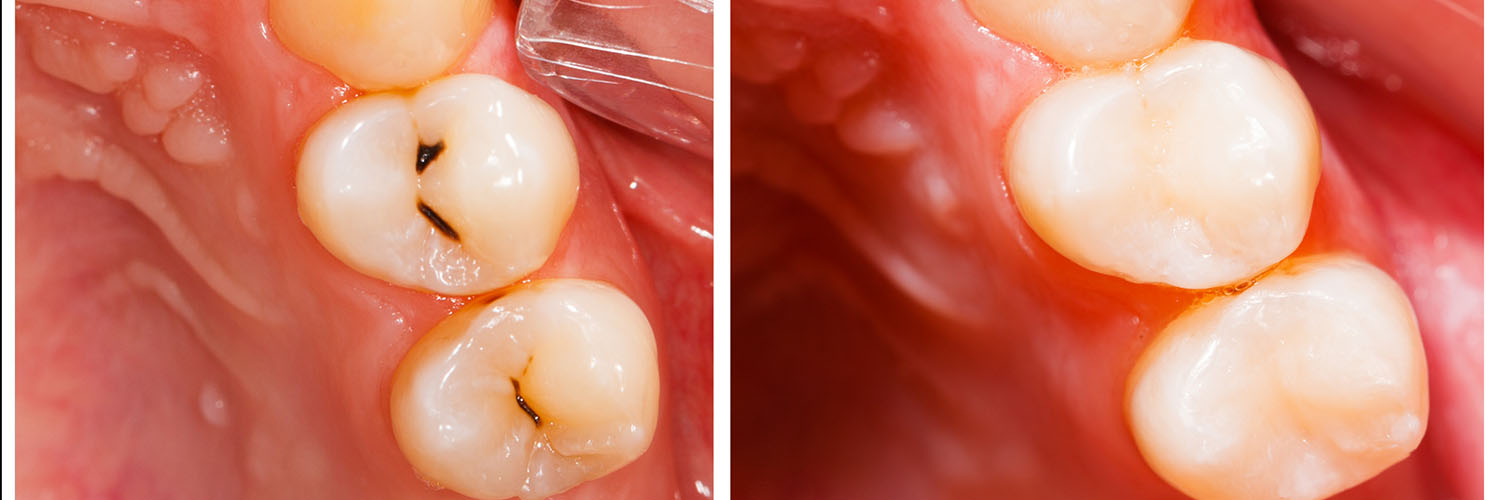
A typical filling visit starts with a careful assessment: we evaluate the extent of decay or damage, review your dental and medical history, and discuss any concerns you may have. Local anesthesia is used as needed to make the procedure comfortable, and modern techniques keep treatment efficient so most cases are completed in a single visit.
After isolating the tooth, the clinician removes the decayed tissue and prepares the surface to accept the adhesive. Composite is placed in thin layers, with each increment shaped and light-cured to harden it. This layered technique helps control shrinkage and allows precise sculpting of anatomy for proper bite and contact with neighboring teeth.
Once the filling is fully set, the dentist will refine the contours and polish the surface so it feels smooth and natural. Before you leave, we’ll check your bite and make adjustments if necessary, and we’ll walk you through aftercare instructions so you know what to expect over the next few days.
New fillings can be slightly sensitive for a short time as the tooth adjusts. Mild sensitivity to temperature or pressure often subsides within a few days to weeks. Until the local anesthetic wears off, avoid chewing on the treated side to prevent accidental biting of soft tissues.
Good oral hygiene is the single most important factor in the longevity of any restoration. Regular brushing with fluoride toothpaste, daily flossing, and routine dental checkups help prevent recurrent decay at the edges of the filling. If you grind or clench your teeth, talk to your dentist about protective measures—night guards and other strategies can reduce wear on restorations.
If you notice persistent sensitivity, a change in bite, roughness, or a visible edge around the filling, contact the practice so we can evaluate the restoration and make any necessary refinements. Prompt attention to small issues often prevents more extensive treatment later.
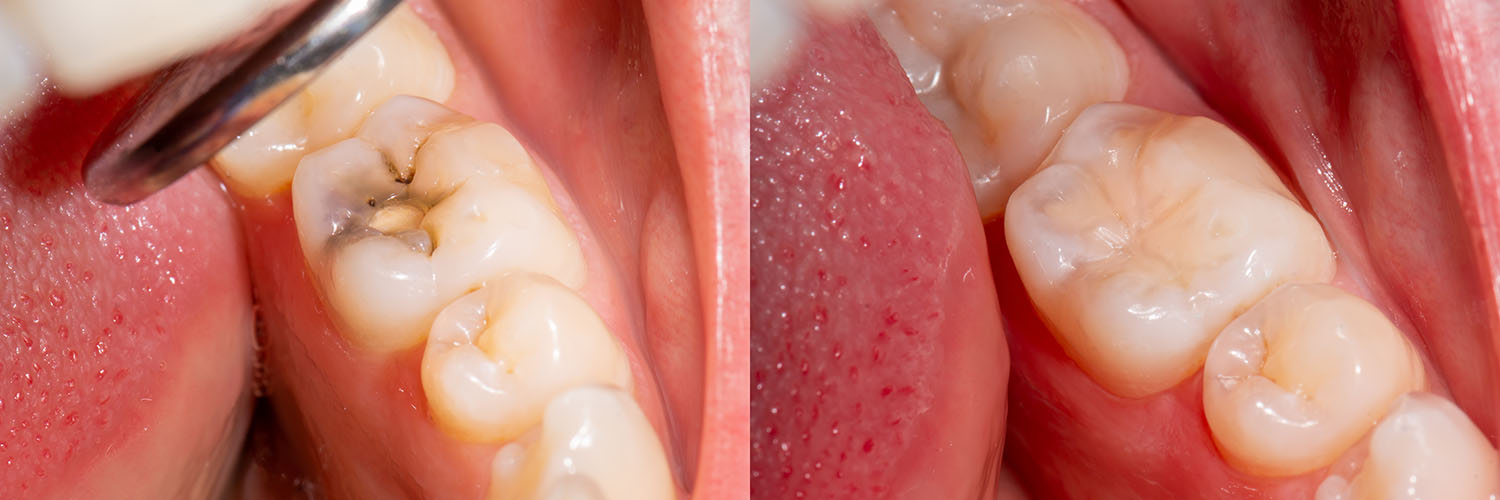
Not every damaged tooth is best served by a direct composite filling. For larger areas of decay or structural loss, indirect options like inlays, onlays, or crowns may offer greater durability and protection. During your exam, the dental team will evaluate the size of the defect, the remaining tooth structure, and the tooth’s role in your bite to determine the most appropriate solution.
When the damage is moderate and the tooth still has a strong core, a composite filling can restore both form and function effectively. For extensive fractures or when a significant portion of the tooth is compromised, an indirect restoration fabricated outside the mouth may provide superior strength and longevity. We’ll explain the pros and cons of each option and help you choose a path that aligns with your goals and oral health needs.
Comfort and patient experience are also part of the decision. If anxiety is a concern, discuss sedation options with your clinician so care can proceed with minimal stress. Our team focuses on delivering predictable results while keeping you comfortable and informed at every step.
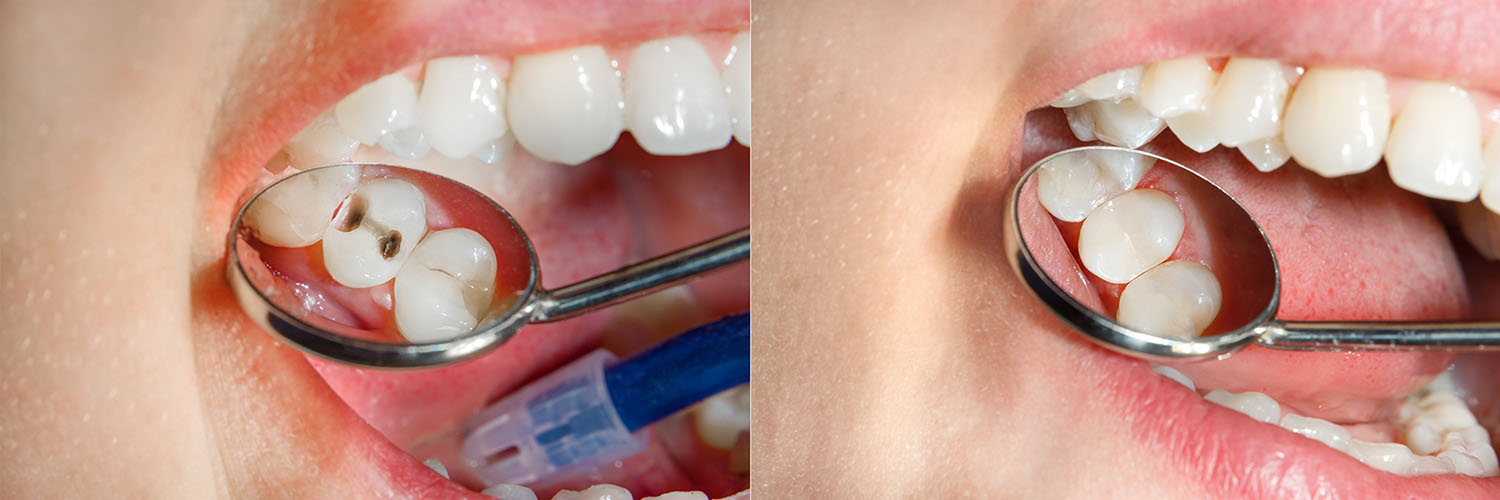
When well cared for, composite fillings provide a balanced combination of aesthetics and function. If you have questions about whether a tooth-colored filling is the right solution for your needs, our team at Village Dental of Leesburg can help you understand the options and next steps. Contact us to learn more about restorative choices and to schedule an evaluation.

Composite dental fillings are tooth-colored restorations made from a mixture of resin and fine glass or ceramic particles designed to match the appearance of natural teeth. The material bonds directly to enamel and dentin using modern adhesive systems, creating a sealed interface that helps protect against recurrent decay. Because composites are placed in layers and light-cured, clinicians can shape anatomy precisely and restore both form and function.
The layered placement technique also helps control polymerization shrinkage and allows careful sculpting of contacts and occlusion. Composite restorations are versatile and are commonly used for small to moderate cavities, minor chip repairs, and cosmetic adjustments. Their aesthetic and adhesive properties make them a conservative first-line option for many restorative needs.
Modern composite fillings are adhesive, which means less healthy tooth structure needs to be removed compared with older, nonbonding techniques. By preserving more enamel and dentin, the remaining tooth retains greater strength and a better foundation for any future restorative work. Conserving tooth structure improves the long-term prognosis of the tooth and reduces the likelihood of more invasive treatments later.
This conservative approach aligns with the practice philosophy at Village Dental of Leesburg, where clinicians prioritize treatments that support natural anatomy and lasting health. Preserving tooth tissue also helps maintain proper contacts and occlusion, which contributes to overall oral function. When indicated, tooth-colored restorations are recommended to protect the tooth while maintaining natural appearance.
A typical filling visit begins with a thorough assessment of the tooth, including a clinical exam and any necessary radiographs to determine the extent of decay or damage. Local anesthesia is used as needed to ensure comfort, and the tooth is isolated to keep the field dry for optimal bonding. The clinician removes decayed tissue, prepares the surface for adhesion, and then places composite in thin increments.
Each layer of composite is shaped and light-cured before the next increment is added, allowing precise control of anatomy and minimizing shrinkage. After the material is fully set, the dentist will refine contours, polish the surface, and check your bite to make any adjustments. Before you leave, you will receive aftercare guidance and instructions on what to expect in the following days.
Contemporary composite materials have been engineered for improved strength, wear resistance, and polishability compared with earlier formulations. Because composites bond to the tooth structure, they distribute biting forces more favorably and reduce the risk of marginal breakdown when placed correctly. Advances in filler technology and adhesive systems contribute to restorations that retain both form and finish for many years under normal conditions.
Longevity depends on factors such as the size and location of the filling, your oral hygiene habits, and any parafunctional activity like grinding or clenching. Regular dental checkups allow clinicians to monitor wear and address issues early, and protective measures such as a night guard can reduce excessive stress on restorations. Proper technique at placement combined with good home care offers the best chance for long-lasting performance.
Composite resin fillings are metal- and mercury-free, which is an important consideration for patients seeking biocompatible, tooth-colored options. The components used in modern composites have an established safety record when placed and maintained by a qualified dental professional. Most patients tolerate these materials well and appreciate their aesthetic and functional benefits.
Allergies or sensitivities to dental materials are uncommon but can occur, so it is important to share your medical history and any known material sensitivities with your clinician. If a specific concern arises, your dentist can discuss alternative materials or approaches to meet your needs. Open communication helps ensure a safe and appropriate treatment plan.
Immediately after placement, avoid chewing on the treated side until the local anesthetic wears off to prevent accidental biting of soft tissues. Mild sensitivity to temperature or pressure is common and usually resolves within days to a few weeks as the tooth adjusts. Follow any specific aftercare instructions provided by your dentist, including recommendations for pain management and dietary considerations if needed.
Long-term care centers on good oral hygiene: brush twice daily with fluoride toothpaste, floss daily to protect margins, and attend regular dental checkups and cleanings. If you grind your teeth, discuss night guard options to protect restorations from excessive wear. Contact the office promptly if you experience persistent sensitivity, a change in bite, or roughness around the filling so the restoration can be evaluated and adjusted if necessary.
Direct composite fillings are ideal for small to moderate defects when adequate tooth structure remains, but larger areas of decay or substantial structural loss often require indirect restorations. Inlays and onlays are fabricated outside the mouth and bonded into place to rebuild lost cusps or larger portions of the chewing surface while preserving as much healthy tooth as possible. Crowns are used when the tooth is extensively damaged or weakened and need full coverage for protection and function.
The choice among a filling, inlay, onlay, or crown depends on the size of the defect, the remaining tooth structure, functional demands, and the tooth's role in your bite. Your dentist will evaluate these factors during the exam and explain the pros and cons of each option. Treatment planning aims to deliver predictable results while balancing conservation with long-term durability.
Yes. Composite materials are available in a wide range of shades and translucencies that allow skilled clinicians to match the restoration to surrounding teeth. By selecting appropriate shades and layering materials with different optical properties, a dentist can recreate the subtle color variations and translucency of natural enamel. Proper finishing and polishing further enhance the blend so the filling appears discreet.
Color matching is most predictable when restorations are placed in good lighting and when the health of the surrounding tooth and gums is maintained. Over time, restorations may show some wear or minor discoloration depending on diet and habits, and your dentist can advise whether polishing or replacement is appropriate. Aesthetic considerations are discussed as part of treatment planning to align outcomes with your expectations.
Some sensitivity following a filling is common and usually temporary, as the tooth and pulp recover from the procedure and adjustments in bite or thermal response settle. Sensitivity typically lessens within a few days to a few weeks, and simple measures such as desensitizing toothpaste can help manage symptoms. It is important to avoid chewing hard foods on the treated side until the restoration is fully set and the anesthetic has worn off.
You should contact the dental office if sensitivity persists beyond a few weeks, if you experience severe or increasing pain, or if you notice a change in bite or a rough edge on the filling. These signs can indicate adjustments are needed, recurrent decay, or less commonly, deeper issues requiring further care. Prompt evaluation allows the clinician to address problems early and minimize the need for more extensive treatment.
Determining the need for a filling begins with a comprehensive dental exam that includes a visual inspection, tactile evaluation with dental instruments, and radiographs when indicated to reveal decay between teeth or beneath existing restorations. Your dentist will review symptoms you report, such as sensitivity or pain, and assess any fractures, wear, or staining that suggest loss of tooth structure. A full medical and dental history also helps identify risk factors for recurrent disease.
Based on these findings, the dental team will recommend the most appropriate treatment, whether that is a direct composite filling, an indirect restoration, or preventive measures to halt progression. The clinician will explain the rationale for the recommendation, outline what to expect during treatment, and answer your questions so you can make an informed decision. If desired, sedation options and other comfort measures can be discussed to ensure a calm, controlled experience at Village Dental of Leesburg.