Recognizing a True Dental Emergency
Not every toothache requires immediate intervention, but some dental problems should not wait. Signs that warrant same-day attention include severe, persistent pain; uncontrolled bleeding; a tooth that has been completely knocked out; or rapid swelling of the face or neck. These symptoms can signal active infection, nerve involvement, or injury that may threaten a tooth’s long-term survival or a patient’s general health if left untreated.
Patients should also be alert for changes in breathing or swallowing, high fever, or spreading redness around the jaw — these can indicate an infection that needs urgent medical review. In less dramatic cases, discomfort that interferes with sleep or normal function, a broken restoration causing sharp edges, or a displaced crown can still require prompt care to prevent worsening problems. When in doubt, seek professional guidance rather than waiting for symptoms to resolve on their own.
Understanding the difference between urgent and truly emergent issues helps prioritize care. Urgent problems are uncomfortable and can often wait a short time for a scheduled appointment, while emergencies require immediate attention to relieve pain, control infection, or preserve dental structures. Our goal is to help patients make that distinction and get the right level of care quickly and safely.
How an Emergency Visit Typically Unfolds
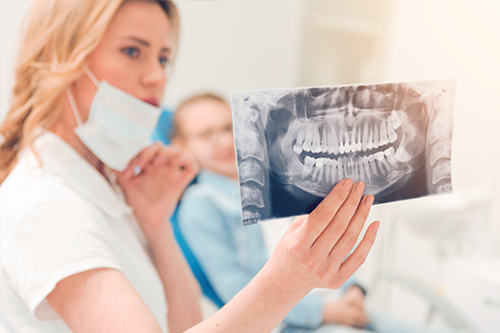
When patients arrive for emergency treatment, the visit begins with a focused assessment to determine the nature and severity of the problem. A clinical exam is performed first, often supplemented by digital radiography or intraoral imaging to evaluate tooth structure, root involvement, and surrounding bone. Triage helps the clinical team set priorities and develop a clear plan for relief and stabilization.
Pain control and infection management are immediate priorities. Depending on the situation, clinicians may provide local anesthesia, prescribe appropriate medications, or perform procedures to reduce swelling and discomfort. Stabilizing a damaged tooth, dressing a wound, or placing a temporary restoration can buy time until definitive treatment is possible.
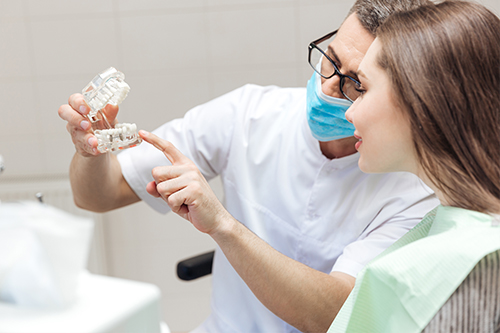
After initial care, the team will explain recommended next steps — whether that’s a conservative restoration, root canal therapy, extraction, or referral to a specialist such as an oral surgeon or periodontist. Patients can expect clear explanations of the purpose of each recommended treatment and what to expect during recovery, including any necessary follow-up visits to complete care.
Common Emergencies and How We Address Them
Severe toothaches often indicate deep decay or infection around the tooth’s nerve. In many cases, root canal therapy can remove the diseased tissue and preserve the natural tooth. For fractures that expose the pulp or compromise structural integrity, a combination of bonding, crowns, or endodontic treatment may be recommended to restore function and prevent re-infection.
Traumatic injuries — such as a tooth that has been partially or completely displaced — require rapid action. A tooth that has been knocked out (avulsed) has the best chance of being saved if it is replanted as soon as possible; when immediate replantation is not possible, keeping the tooth moist in milk or an appropriate storage medium and seeking emergency care quickly improves outcomes. For chips and minor fractures, cosmetic bonding or a restoration can often return the tooth to a natural appearance.
Lost or damaged restorations (fillings, crowns, or bridges) can expose underlying tooth structure and increase sensitivity or decay risk. Temporary measures may be used in an emergency to reduce discomfort and protect the tooth until a durable restoration can be fabricated. Likewise, denture problems that prevent proper chewing or cause painful sores are managed promptly to restore comfort and oral function.
Oral infections and abscesses may present with throbbing pain, swelling, and sometimes fever. Controlling the infection is essential; treatment can include drainage, antibiotics when indicated, and definitive care to remove the source of infection. Prompt treatment reduces the risk of the infection spreading and helps preserve surrounding teeth and tissues.
Practical First-Aid Steps You Can Take Before Arrival
Initial self-care can reduce pain and limit further damage while you arrange for treatment. Start by gently rinsing the mouth with warm water to keep the area clean, and apply a cold compress to the outside of the face to reduce swelling. If bleeding is present, use gentle pressure with clean gauze or a damp tea bag — tannins in black tea can help slow minor bleeding.
If a tooth has been knocked out, try to handle it only by the crown (avoid touching the root), rinse it briefly if dirty, and attempt to reposition it in the socket if you feel comfortable doing so. If replantation isn’t possible, store the tooth in milk, saline, or the patient’s saliva and seek immediate dental care. For broken teeth with sharp edges, covering the area with sugar-free chewing gum or dental wax can protect soft tissues until you can be seen.
Over-the-counter pain relievers and cold compresses can help manage symptoms temporarily, but they are not substitutes for professional evaluation. If you have difficulty breathing or swallowing, or if swelling is rapidly worsening, seek emergency medical attention right away. Quick, sensible first aid combined with timely professional care yields the best outcomes.
From Emergency Care to Lasting Repair
Once the immediate problem is controlled, the focus shifts to restoring function, comfort, and long-term oral health. Conservative options such as dental bonding, composite restorations, or crowns can rebuild damaged teeth and protect them from further harm. When infection has extended to the tooth’s nerve, endodontic therapy often allows patients to retain their natural tooth rather than proceeding directly to extraction.
In cases where a tooth cannot be saved, extraction is performed carefully with attention to preserving surrounding bone and tissue. Modern replacement options — including dental implants, fixed bridges, and removable prostheses — allow patients to regain chewing ability and a natural appearance. Your dental team will discuss appropriate restorative pathways based on your overall oral health, functional needs, and long-term goals.
Follow-up care is an important part of a successful recovery. That may include occlusal adjustments, final restoration placement, or coordination with specialists when complex reconstruction is required. Preventive measures and patient education — from mouthguard use to timely care for suspected infections — help reduce the likelihood of repeat emergencies.
When emergencies occur, people want dependable, calm, and effective care. Village Dental of Leesburg combines clinical experience with modern diagnostic tools to stabilize problems quickly and guide patients through the next steps toward a healthy, functional smile.
In summary, dental emergencies range from urgent but manageable issues to serious conditions that require immediate attention. If you or a family member is experiencing severe pain, swelling, a knocked-out tooth, or any symptom that feels urgent, contact us to arrange prompt evaluation and treatment. Our team is prepared to assess, stabilize, and plan the best route forward to restore comfort and oral health.