Initial Examination and Goal Setting
Your clinician conducts a thorough exam to identify alignment needs and establishes clear treatment objectives based on your priorities and clinical findings.


Invisalign® offers a discreet, modern approach to straightening teeth without the visual or practical constraints of traditional braces. Designed around comfort, convenience, and predictability, clear aligner therapy uses a sequence of custom-made trays to guide teeth into healthier, more balanced positions. For many patients, this means achieving meaningful alignment while maintaining a natural appearance throughout treatment.
At Village Dental of Leesburg, we approach clear aligner therapy as a tailored clinical plan rather than a one-size-fits-all product. Our team combines diagnostic care, careful monitoring, and the latest digital tools to help patients understand how treatment will work and what to expect at each stage. The result is a clear, practical pathway from initial consultation to lasting results.
Clear aligners are made from medical-grade thermoplastic and are engineered to apply controlled pressure to specific teeth. Your treatment plan breaks down complex movements into a series of modest, gradual shifts that are easier for the body to adapt to. Each aligner in the series is slightly different—wearing them in order allows your teeth to move according to a carefully mapped timeline.
The predictable nature of aligner therapy comes from planning. Using diagnostic records—digital scans, photos, and bite records—clinicians can anticipate how teeth will respond and stage movements for efficiency and comfort. This planning reduces surprises and helps patients visualize progress as they move through the aligner sequence.
Because the trays are removable, patients can continue most aspects of daily life—eating, brushing, and social activities—without the constant presence of brackets and wires. That flexibility is one of the main reasons many adults and image-conscious teens prefer clear aligners to more visible treatment options.
One of the practical advantages of clear aligners is that they are designed to be worn most of the day and removed for short, specific activities. This arrangement allows patients to maintain routine oral care—brushing and flossing without complicated tools—and to enjoy meals without the dietary restrictions commonly associated with fixed appliances.
Maintaining consistent wear time is essential; aligners typically need to be worn for the majority of waking hours to keep tooth movements on schedule. Our team provides clear guidance on wear protocols and offers monitoring checkpoints so patients can stay on track and make timely progress toward their goals.
Comfort is another daily-life consideration. Modern aligners are thermoformed to reduce sharp edges, and clinicians can address pressure points or attachments to improve fit. Most patients report that any initial soreness fades after a few days with a new tray, and many adapt quickly to the minor sensations that accompany tooth movement.
Advanced digital tools allow clinicians to create a step-by-step plan for aligning teeth. A high-resolution scan captures the current state of the teeth and bite, then software simulates the proposed movements. This simulation helps your dental team evaluate the feasibility of aligner therapy and refine the sequence to achieve efficient, controlled results.
The value of digital planning lies in predictability: each step is reviewed to ensure it contributes to the overall objective. While no treatment is entirely without variables, careful staging of movements and periodic clinical evaluations help manage outcomes and reduce the need for corrective interventions later in the process.
Clinicians also consider the broader context of a patient's oral health when planning aligner therapy. Crowding, spacing, bite relationships, and restorative needs can influence the recommended course of action. In some cases, adjunctive procedures—such as enamel shaping or the placement of small attachments—are used to improve control and stability of tooth movement.
Throughout treatment, your provider remains responsible for clinical decisions. Technology supports those decisions but does not replace the clinical judgment that ensures treatment is suitable and safe for each individual.
After the initial consultation and scan, patients typically receive their first set of aligners and a schedule for routine check-ins. These visits focus on assessing progress, making small refinements if needed, and providing the guidance patients need to maintain their treatment plan successfully.
Monitoring can be in-person or assisted by digital tools, depending on the case. Some patients benefit from brief, scheduled reviews every four to eight weeks, while others with straightforward movements require less frequent visits. Your clinician will recommend a cadence that matches the complexity of the plan and your personal needs.
Once the active phase of treatment is complete, retention is the final step in preserving your new alignment. Retainers help keep teeth stable as bone and gum tissues adapt to the new positions. A well-designed retention strategy is an essential component of long-term success.
Clear aligners are a versatile option for many patients, including adults and teens with a range of alignment concerns. They are particularly well-suited to mild-to-moderate crowding, spacing, and many bite-related inconsistencies. However, more complex skeletal issues or severe bite discrepancies sometimes require alternative or combined approaches.
A comprehensive clinical evaluation is the only reliable way to determine candidacy. During a consultation at Village Dental of Leesburg, we review your concerns, examine your oral health, and use diagnostic imaging to outline realistic options. This conversation helps patients weigh the benefits, timeline, and clinical considerations of starting aligner therapy.
Age alone is not a disqualifier—biological factors and dental development are more important than chronological age. Teen patients may benefit from features designed to accommodate growing mouths, while adult patients often appreciate the low-profile nature of the appliances.
Ultimately, the decision to proceed is a collaborative one. Your provider will explain the clinical reasoning behind recommended steps and answer questions so you can make an informed choice that aligns with your needs and lifestyle.
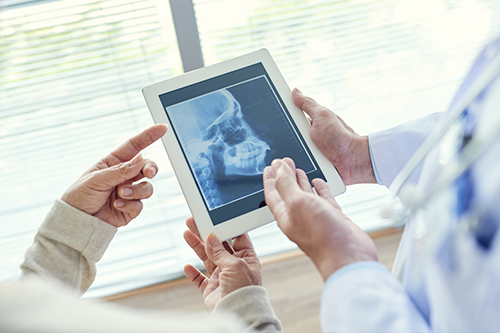
Your clinician conducts a thorough exam to identify alignment needs and establishes clear treatment objectives based on your priorities and clinical findings.
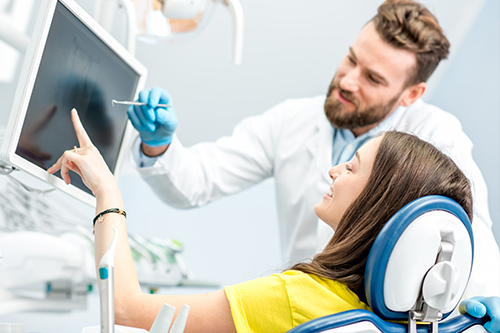
A fast digital scan captures the details of your teeth and bite. From there, a step-by-step treatment map is created so you can see the anticipated progression of your smile.
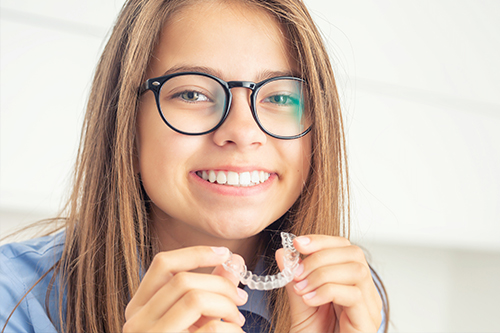
Each aligner is fabricated to the exact specifications of your treatment plan, prioritizing a comfortable fit while guiding teeth toward their final positions.

From the first tray to retention, your clinical team provides periodic assessments and instruction to keep your treatment progressing smoothly.
Short video features that illustrate typical treatment stages and patient experiences with clear aligner therapy
*Invisalign® is a registered trademark of Align Technology, Inc.
In summary, clear aligner therapy offers a flexible, clinically driven option for many people seeking dental alignment. With precise planning, predictable staging, and ongoing clinical oversight, the treatment path is focused on achieving stable, comfortable results that integrate with everyday life. If you'd like to learn more about whether clear aligners are a suitable option for you, please contact us for more information and to schedule a consultation.
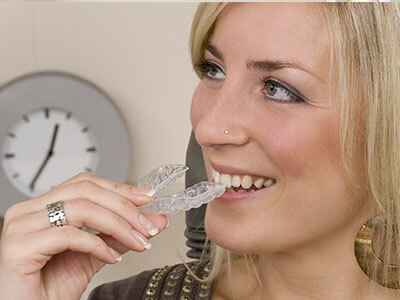
Invisalign® is a system of custom, removable clear aligners that gradually move teeth into a planned position. Each aligner in the series is thermoformed to apply controlled, gentle pressure to targeted teeth so movements occur in small, predictable stages. The removable design lets patients maintain normal oral hygiene and dietary habits while undergoing treatment.
Treatment begins with detailed diagnostic records and a digital treatment plan that maps the sequence of movements. Advanced software simulates the expected progression so the clinician can refine staging and anticipate needed adjustments. This combination of clinical oversight and digital planning is what makes aligner therapy both efficient and predictable for many alignment concerns.
Invisalign® is well suited for many adults and adolescents with mild-to-moderate crowding, spacing, and several common bite inconsistencies. Complex skeletal problems or severe bite discrepancies may require alternative or combined approaches, so candidacy depends on a comprehensive clinical assessment. The condition of the teeth, periodontal health, and any restorative needs are all evaluated before recommending aligner therapy.
Age alone is not a disqualifier; biological development and dental health are more important than chronological age. Teen patients can benefit from features designed for growing mouths, while adults often prefer the low-profile appearance. A detailed consultation with a clinician will determine whether aligners can meet the desired objectives safely and predictably.
At Village Dental of Leesburg, treatment typically begins with a consultation, oral exam, and a high-resolution digital scan to capture the current state of the teeth and bite. The clinician then develops a step-by-step treatment map that simulates tooth movement and shows an anticipated outcome. Patients receive their initial set of aligners along with instructions on wear time and care so they can begin treatment with confidence.
Aligners are worn in a prescribed sequence, usually changing to a new tray every one to two weeks unless otherwise directed by the clinician. Periodic check-ins—either in person or via approved digital monitoring tools—allow the team to assess progress and make refinements. When the active phase is complete, a retention plan is put in place to preserve the final alignment.
Treatment duration varies widely depending on the complexity of the case, the types of movements required, and how consistently the aligners are worn. Many patients achieve their goals within several months to about a year, while more complex plans can require longer timelines. The clinician will provide an individualized estimate during treatment planning and update that timeline as progress is monitored.
Patient compliance is a major factor in meeting the projected finish date; aligners generally need to be worn for the majority of waking hours to keep movements on schedule. If refinements are needed after completing the initial series, additional aligners can extend the active phase. A clear retention strategy following active treatment helps maintain results over the long term.
Proper care of both aligners and natural teeth is essential for effective treatment and oral health. Clean aligners daily with a soft brush and lukewarm water and rinse them before reinserting; avoid hot water which can distort the plastic. Brush and floss after eating before putting aligners back in to reduce the risk of staining and decay beneath the trays.
Store aligners in a protective case when not in use to prevent damage and contamination. Maintain routine dental checkups and professional cleanings so your clinician can monitor periodontal health and address any concerns promptly. If an aligner becomes damaged or lost, contact the office for guidance rather than attempting to stretch wear beyond the recommended sequence.
Most patients experience only a brief adaptation period when they first begin wearing aligners, which can include a mild, temporary lisp for a few days. Because the trays are removable, you can take them out for short periods for important events, meals, or oral care, which minimizes long-term disruption to daily activities. The discreet appearance of clear aligners also makes them a popular choice for image-conscious adults and teens.
Some soreness or pressure is normal when switching to a new tray, but these sensations typically subside within a few days. Simple measures—such as reading aloud or practicing speaking while the aligners are in—can speed speech adaptation. If persistent problems arise, your clinician can review fit and make adjustments to improve comfort and function.
Attachments are small, tooth-colored shapes bonded to selected teeth to improve the aligner's grip and control for certain movements. Other adjunctive procedures, such as interproximal reduction (IPR) or minor tooth reshaping, may be recommended to create space or improve contact relationships for more predictable results. These interventions are used selectively based on the treatment plan and the specific mechanics required to achieve the objectives.
All adjunctive steps are discussed during the planning phase so patients understand their purpose and what to expect. Many of these procedures are conservative and reversible when appropriate, and they are planned to minimize impact on esthetics and comfort. Clinical judgment guides whether attachments or additional procedures will enhance the efficiency and stability of the final outcome.
Progress is monitored through scheduled clinical visits and, where applicable, secure digital check-ins that document how teeth are responding to each aligner. Typical in-person reviews occur every four to eight weeks, though the cadence can be adjusted to match the complexity of the case and individual needs. These appointments allow the clinician to confirm tracking, assess oral health, and make any minor corrections as needed.
If teeth are not tracking as planned, the clinician may order refinements, additional aligners, or small corrective steps to realign progress with the treatment plan. The goal of monitoring is to catch deviations early and apply controlled interventions rather than allowing predictable issues to compound. Clinical oversight throughout treatment ensures changes are evidence-based and focused on long-term stability.
Retention is a critical phase that begins as soon as active tooth movement is complete and focuses on stabilizing the new positions while bone and soft tissues adapt. Retainers may be removable or fixed depending on the clinical situation and the likelihood of relapse, and a tailored schedule for wear is provided to protect the investment made during active therapy. Consistent retainer use during the initial months and at night long-term is the standard recommendation for preserving alignment.
Follow-up appointments after treatment allow the clinician to evaluate retention effectiveness and make adjustments if needed. Good oral hygiene and routine dental care remain important to protect the health of teeth and gums, which in turn supports the longevity of the result. The clinician will provide a personalized plan that balances convenience with proven retention protocols.
Invisalign® can be an excellent option for many teen patients, with features designed to accommodate growth and erupting teeth. Teen-specific aligner programs often include compliance indicators and allowances for mixed dentition, and treatment plans consider ongoing dental development when sequencing movements. Regular monitoring is especially important for growing patients to ensure that eruption patterns and orthodontic goals remain aligned.
Careful coordination between the orthodontic or dental clinician and the family helps manage timing and expectations as teeth and jaws change. When necessary, treatment can be staged or combined with other interventions to address growth-related concerns. A clinical evaluation will determine the best approach for a teen patient, balancing long-term stability with current alignment objectives.