Call Us Today!
(703) 669-8688
New Patients
(703) 202-1740


Keeping your smile healthy starts with a thorough oral exam — a focused conversation and hands-on inspection that gives your dental team the information they need to prevent problems before they begin. At the office of Village Dental of Leesburg, we take a practical, patient-centered approach: routine exams, targeted screenings, and clear guidance on home care help us preserve your teeth, gums, and overall oral wellness. These visits are about more than checking boxes; they’re opportunities to understand your goals and tailor a plan that fits your lifestyle and needs.
The initial oral exam is where we build a baseline. We start by reviewing your medical and dental histories so any systemic conditions, medications, or past treatments that could affect your care are taken into account. You’ll have a chance to share concerns — sensitivity, soreness, sleep-related issues, or cosmetic priorities — so nothing important gets missed. This dialogue helps shape a focused, efficient clinical evaluation.
The clinical portion includes a detailed visual inspection of the teeth and soft tissues, a periodontal assessment to check gum health, and an evaluation of your bite and jaw function. We screen for early signs of oral cancer and look for indicators of bruxism (tooth grinding) or TMJ-related issues. When needed, diagnostic images are taken to reveal what can’t be seen by eye alone.
After the exam, we’ll discuss our findings in plain language, outline possible next steps, and answer any questions you have. The goal is to make recommendations that are practical and prioritized, so you know which issues warrant immediate attention and which are best monitored over time.
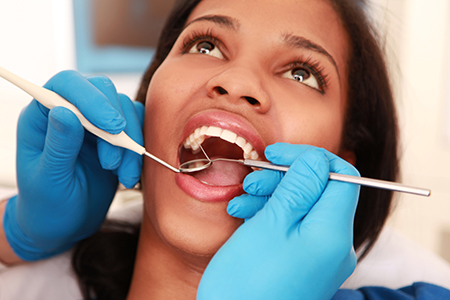
Your mouth is part of a larger system, and the state of oral tissues can reflect — and sometimes influence — wider health concerns. During an exam we look for signs that might indicate or correlate with systemic conditions: persistent gum inflammation, unusual lesions, or patterns of wear and infection that may prompt further evaluation or coordination with your physician. Spotting these early can make a meaningful difference in long-term outcomes.
Research continues to expand our understanding of oral-systemic links. Chronic gum inflammation, for example, has been associated with an increased risk of cardiovascular problems, and diabetes management is closely tied to periodontal health. Respiratory issues and certain nutritional deficiencies can also manifest in the mouth, so what we observe may inform overall health conversations.
It’s important to emphasize that an oral exam is a screening — not a substitute for medical care — but it can uncover clues that lead to timely referrals or additional testing. By paying attention to subtle changes over successive visits, we can help identify trends and intervene earlier when appropriate.
Because many systemic conditions show oral signs, routine dental exams are a practical part of preventive health. We document findings, track changes, and communicate clearly with you about any concerns and recommended follow-up steps.
Regular checkups paired with professional cleanings are the most effective tools for preventing cavities and gum disease. Even with excellent home care, plaque and tartar can accumulate in places a toothbrush and floss can’t effectively reach. Our hygienists remove hardened deposits, polish surfaces, and reduce the bacterial load that drives decay and inflammation.
During these visits we also refresh home-care techniques. Small adjustments to brushing angle, flossing rhythm, or the introduction of adjunct tools — like interdental brushes or a water flosser — often yield big improvements. Education is individualized: what works well for one patient may not be the best approach for another, and our goal is to recommend options you’ll actually use.
For most patients, a twice-yearly schedule balances prevention and practicality: it allows us to monitor changes, catch developing problems early, and maintain the benefits of professional cleaning. That said, some individuals with elevated risk factors may need more frequent attention; we’ll make those recommendations based on clinical findings and risk assessment.
We also focus on the needs of younger patients. Early, consistent dental care establishes good habits and lets us track growth and development, intervening when orthodontic guidance or preventive measures are appropriate. A positive, educational experience at an early age makes oral health a lifetime priority.
Visual inspection is essential, but diagnostic imaging reveals the parts of your smile that aren’t visible to the naked eye. Digital radiographs allow clinicians to assess tooth roots, bone levels, and the spaces between teeth where decay often begins. These tools improve diagnostic accuracy and inform more predictable treatment planning.
Modern digital imaging offers several advantages: lower radiation exposure compared with older film methods, immediate image review, and straightforward storage in your electronic record. Quick access to images makes it easier to explain findings during your visit and to share relevant information with specialists if coordination of care is needed.
For complex situations — surgical planning, impacted teeth, or implant placement — three-dimensional imaging such as cone-beam computed tomography (CBCT) can be invaluable. CBCT provides a volumetric view of the jaws and surrounding anatomy, helping clinicians plan with greater precision while minimizing surprises during treatment.
Different images serve different diagnostic purposes. Small, focused films can reveal the health of an individual tooth and its supporting bone, while broader images offer an overview of development and alignment. Choosing the right image depends on the clinical question we need to answer.
Periapical x-ray - Shows the entire tooth from crown to root tip and the adjacent bone; useful for identifying root problems, infections, or trauma.
Bitewing x-ray - Focuses on the crowns of adjacent teeth and is particularly helpful for detecting early decay between teeth.
Full-mouth series - A comprehensive set of bitewing and periapical images that provides a detailed baseline of the entire dentition and supporting structures.
Panoramic film (panorex) - Offers a broad two-dimensional view of the jaws, erupting or impacted teeth, and general jaw anatomy.
Cephalometric film - Gives a profile view used primarily in orthodontic assessment to evaluate skeletal relationships and growth patterns.
When imaging is recommended, we explain why a particular view is helpful and how it contributes to diagnosis or treatment planning. Advances in imaging technology have made these tools safer and more convenient, and we use them judiciously to maximize benefit while minimizing exposure.
Regular oral exams are the simplest, most effective way to protect your smile and catch issues when they’re easiest to treat. If you’d like to learn more about what an exam involves or how often you should be seen, please contact us for more information. Village Dental of Leesburg is here to help you keep your oral health on track with clear guidance and personalized care.
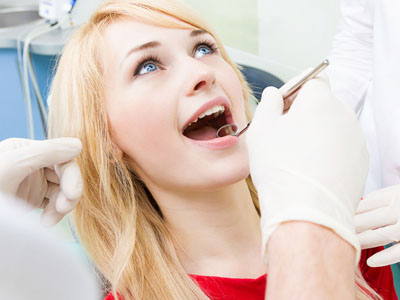
A routine oral exam begins with a focused conversation about your medical and dental history, current symptoms and any concerns you have. This discussion helps the clinician identify risk factors such as medications, systemic conditions or habits that could affect oral health. It sets the stage for an efficient, problem-focused clinical evaluation.
The clinical portion includes a detailed visual inspection of teeth and soft tissues, a periodontal evaluation to assess gum health, and an examination of bite and jaw function. Clinicians also screen for signs of decay, wear from bruxism and early indicators of oral cancer, and they may recommend diagnostic imaging when needed. Findings are discussed in clear terms and prioritized to guide next steps in care.
Gathering a list of current medications, medical conditions and recent dental procedures is helpful before your first appointment at Village Dental of Leesburg. Bring any relevant imaging or treatment records if you have them, and be ready to describe symptoms such as sensitivity, pain or problems with chewing and sleeping. If you have concerns about anxiety or require special accommodations, mention them when you schedule your visit so staff can prepare.
Avoid eating very sticky or staining foods immediately before the exam to help the clinician assess tooth color and soft tissues, but routine oral hygiene should not be skipped. If you wear removable appliances such as a retainer or night guard, bring them with you so they can be evaluated for fit and condition. Arrive a few minutes early to complete any registration forms and to allow time for a calm, focused evaluation.
For most healthy adults, scheduling an exam every six months is a practical balance between prevention and convenience because it allows clinicians to monitor changes and remove hardened deposits during professional cleanings. However, frequency should be individualized based on risk factors such as a history of gum disease, high decay risk, complex restorative work or certain systemic conditions. Your dentist will recommend a personalized schedule after assessing your oral health and reviewing your medical history.
Some patients benefit from more frequent visits, such as every three to four months, when active disease, extensive prosthetics or a compromised immune system are present. Conversely, patients with excellent oral health and low risk may be advised to extend intervals under close monitoring. Regular tracking of findings over time is more important than a fixed number alone, and adjustments are made as needed.
A periodontal assessment measures gum health by recording pocket depths around teeth, checking for bleeding on probing, and evaluating gum recession and inflammation. These measurements help determine whether gums are healthy, inflamed or exhibiting signs of periodontal disease that require intervention. The clinician will also assess bone support through clinical findings and, when indicated, diagnostic imaging.
Assessment results are used to classify disease severity and to guide appropriate treatment such as improved home care, professional cleanings at shorter intervals, or periodontal therapy when necessary. Hygienists often demonstrate targeted brushing and interdental cleaning techniques to address areas of concern and reduce bacterial buildup. Follow-up evaluations track response to treatment and help prevent progression of disease.
Dental X-rays and digital images are recommended when visual inspection alone cannot answer diagnostic questions, such as when evaluating tooth roots, interproximal decay, bone levels or the position of unerupted teeth. They are also useful for establishing a comprehensive baseline, monitoring changes over time and planning restorative or surgical procedures. Clinicians weigh the diagnostic benefit against minimal radiation exposure and select the most appropriate imaging modality.
Common types include bitewing images for early decay between teeth, periapical films for single-tooth evaluation, and panoramic or CBCT scans for broader anatomical assessment or complex planning. Advances in digital imaging reduce radiation doses and provide immediate results to aid clear communication during the visit. When imaging is recommended, the team will explain why a particular view is helpful and how it informs diagnosis or treatment planning.
Oral exams can reveal clues such as persistent gum inflammation, abnormal lesions, unusual patterns of wear or oral infections that may correlate with systemic conditions like diabetes, nutritional deficiencies or autoimmune disorders. Because many systemic diseases have oral manifestations, clinicians use findings as part of a broader health evaluation and may recommend medical follow-up when appropriate. Observing changes over successive visits helps identify trends that warrant further investigation.
It is important to remember that an oral exam is a screening tool and not a substitute for medical diagnosis; dentists and hygienists work with your physician when coordination of care is needed. Clear documentation and timely referrals help ensure that potential concerns are evaluated promptly by the appropriate specialist. Open communication about your overall health and any new symptoms improves the value of the dental exam for whole-body wellness.
Yes, oral cancer screening is a standard component of most routine oral exams and involves careful inspection and palpation of the lips, tongue, floor and roof of the mouth, gums and surrounding tissues. Clinicians look for persistent sores, lumps, color changes or indurated areas that may need further evaluation. Early detection improves treatment options and outcomes, which is why screenings are emphasized during regular visits.
If a suspicious area is identified, the clinician will document its characteristics, recommend observation or additional diagnostic testing, and refer to a specialist when necessary. Adjunctive screening tools may be used in some cases to aid visualization, but clinical judgment guides next steps. Timely follow-up and patient awareness of any changes between visits are important for early intervention.
After an oral exam, your dentist will explain findings in straightforward language, highlighting urgent issues, recommended monitoring and preventive measures tailored to your needs. They will prioritize concerns so you understand which problems require immediate attention and which can be observed over time. Visual aids such as digital images or diagrams may be reviewed to clarify the diagnosis and proposed approach.
At Village Dental of Leesburg the team provides a clear, written summary when appropriate and answers questions about home care, follow-up appointments and any referrals that may be needed. The goal is to ensure you leave the appointment with actionable steps and a realistic plan for maintaining or improving oral health. If you prefer, the staff can coordinate communication with other providers to support integrated care.
Oral exams for children emphasize growth and development, monitoring tooth eruption patterns, bite relationships and early signs that may indicate the need for preventive or orthodontic intervention. Exams are conducted in a child-friendly manner with education tailored to parents and caregivers about home care, fluoride use and habits that affect development. Behavior management and creating a positive experience are important goals to establish lifelong oral-care routines.
For adults, exams often focus on managing periodontal health, monitoring restorations, assessing wear patterns and screening for pathology related to long-term habits or systemic conditions. Risk-based scheduling and individualized preventive strategies reflect differences in disease prevalence and treatment needs across age groups. Both pediatric and adult exams share the objective of early detection and clear communication to support long-term oral health.
Preventive education is a central part of the exam and includes personalized instruction on brushing technique, interdental cleaning and the selection of adjunctive tools that match your anatomy and lifestyle. Hygienists often demonstrate small adjustments—such as brushing angle or flossing sequence—that can significantly reduce plaque accumulation when practiced consistently. Education also covers risk factors like tobacco use, diet and grinding that influence treatment recommendations.
By empowering patients with practical, evidence-based strategies and setting achievable goals, clinicians help make preventive care an effective component of daily life. Follow-up discussions reinforce progress and allow techniques to be refined based on observed results during subsequent exams. This ongoing educational partnership supports sustained improvements in oral health and overall well-being.