Call Us Today!
(703) 669-8688
New Patients
(703) 202-1740


At the office of Village Dental of Leesburg, we focus on helping children build confident, lasting smiles through a blend of compassionate care and age-appropriate dental education. Our pediatric services are designed to support healthy development at every stage — from first teeth to teen years — so families can feel informed and prepared as their children grow.

The earliest dental visits are an opportunity to set a positive tone for lifelong oral health. We aim to make the first appointments gentle, predictable, and friendly so that children — and their caregivers — feel comfortable asking questions and learning practical routines. Establishing trust early helps reduce anxiety and makes future care easier for everyone involved.
During early checkups, our team focuses on simple, clear guidance: how to brush and floss for different ages, how often to schedule visits, and what to expect as teeth come in and fall out. Prevention is the foundation of pediatric dentistry, and these introductory visits give parents the knowledge and tools to protect emerging smiles at home.
Our staff emphasizes a partnership approach. We take the time to explain findings in straightforward terms, show families the proper techniques for brushing and flossing, and provide tailored advice about pacifier use, bottle habits, and other behaviors that affect dental development. These small, consistent steps make a big difference over time.
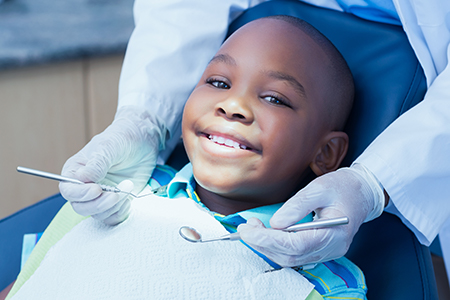
Regular dental exams allow us to monitor growth, detect early signs of decay, and identify patterns that could affect long-term oral health. At each visit, we review medical and dental history, inspect hard and soft tissues, evaluate eruption patterns, and assess bite relationships. This comprehensive approach helps us spot issues before they become more complicated.
When appropriate, we use modern digital radiographs to see areas not visible during a clinical exam. These images are taken selectively and only when the information will change care decisions — for example, to check for hidden decay, evaluate developing permanent teeth, or assess jaw growth.
Professional cleanings are part of routine care and focus on removing plaque and polishing teeth to reduce the risk of cavities. We combine these treatments with practical coaching so children understand what to do at home and why it matters, turning clinical steps into healthy habits.
Children’s teeth and jaws change quickly. Seeing a dentist at consistent intervals lets us compare progress over time and respond to shifts in bite, eruption issues, or new decay promptly. Preventive visits also reinforce good home care and allow us to apply protective treatments like fluoride and sealants when clinically recommended.
By catching problems early, we minimize the need for more extensive procedures later on. Regular monitoring supports academic and social success by helping kids stay comfortable and confident in their day-to-day lives.
We work closely with families to create a schedule that fits a child’s needs and stage of development, aiming to make each visit efficient, informative, and stress-free.
Tooth decay remains one of the most frequent health challenges for children, but much of it is preventable. Our team educates families about dietary choices, proper oral hygiene, and the role of protective measures — such as fluoride varnish and sealants — in reducing the risk of cavities.
We emphasize practical changes that parents can make at home: limiting sugary drinks, encouraging water between meals, and substituting sticky snacks with tooth-friendly options. Small, consistent adjustments often produce the biggest benefits.
Start dental visits early to build familiarity and trust.
Keep baby and toddler teeth clean with an age-appropriate routine.
Avoid letting infants fall asleep with milk or juice in a bottle.
Schedule routine exams and cleanings as recommended by your dentist.
Model and encourage regular brushing and flossing for the whole family.
Choose balanced snacks and replace sugary beverages with water when possible.
Gently guide children to give up pacifiers and thumb-sucking at the appropriate time.
Make sure your child uses a properly fitted mouthguard for contact sports.

Baby teeth begin forming before birth and usually start to appear around six months of age. These primary teeth are essential for eating, speaking, and guiding permanent teeth into the right positions. Routine early visits help ensure that eruption follows a healthy pattern and that parents understand how to care for these new teeth.
Teething can be uncomfortable, but there are safe, effective ways to soothe little ones: chilled teething rings, gentle gum massage with a clean cloth, and distraction with calm activities. If a caregiver notices severe or persistent symptoms, our office is available to provide guidance and reassurance.
Because primary teeth serve as placeholders for adult teeth, protecting them from decay is important. When decay occurs in baby teeth, it can affect chewing, speech, and confidence — and in some cases, lead to premature loss that complicates permanent tooth alignment.
Some oral habits, like prolonged thumb-sucking or frequent pacifier use, are normal in early childhood but can influence dental development if they persist. We help families recognize when a habit may be affecting alignment and offer gentle strategies to address it at the right time.
Cavities often develop from a combination of diet and inconsistent plaque removal. We teach realistic, age-appropriate ways parents can support daily brushing and flossing, and we discuss preventive options that strengthen enamel and reduce decay risk.
When an urgent situation arises — for example, a knocked-out tooth, a painful infection, or a deep fracture — timely care can make a major difference. Our approach to emergencies is calm and practical: stabilize discomfort, assess damage, and plan the next steps to restore oral health and function.
We also collaborate with pediatricians and specialists when a child’s medical needs require coordinated care, ensuring treatments are safe and appropriate for each child’s health profile.
A balanced diet rich in vitamins, minerals, and calcium supports tooth and jaw development. We counsel families on smart food choices that nourish the whole child while protecting dental health — such as swapping sugary snacks for fresh fruit, cheese, or crunchy vegetables that help clear food particles.
Facial growth and the arrangement of permanent teeth are monitored over time. Early assessments let us identify signs that orthodontic evaluation may be helpful. If interceptive measures are needed to guide jaw or tooth growth, we’ll outline options and timing so families can make informed decisions.
As children transition into adolescence, maintaining consistent oral hygiene and regular dental visits prepares them for adult dental care. Our goal is to support each stage of development with clear recommendations and thoughtful planning so young patients can enjoy strong, functional smiles for life.
We routinely assess jaw relationships and tooth alignment during checkups. If early intervention could simplify future treatment or improve function, we'll discuss appropriate next steps and refer to or coordinate with an orthodontic specialist when necessary.
Nutrition influences not only general health but also susceptibility to decay and the strength of developing teeth. Encouraging water, minimizing sugary beverages, and offering balanced snacks can protect teeth and support overall growth.
At Village Dental of Leesburg, our pediatric dentistry program is designed to be practical, preventive, and family-centered. If you’d like more information about caring for your child’s smile or want to schedule a visit, please contact us for more information.

Pediatric dentistry focuses on the oral health of infants, children and adolescents, including those with special health care needs. It combines clinical prevention and treatment with behavior guidance to make visits comfortable and productive for young patients. Pediatric dentists and pediatric-trained teams are skilled at adapting communication and care plans to match a child’s developmental stage.
Unlike general dentistry, pediatric care places extra emphasis on growth and development, early detection of developmental issues, and building healthy habits that last into adulthood. Routine visits monitor tooth eruption, jaw relationships and behavioral factors that influence oral health. This preventive, family-centered approach helps avoid more extensive treatment later on.
The American Academy of Pediatric Dentistry recommends a child see a dental professional by the time their first tooth appears or by their first birthday. Early visits are brief and focused on familiarity, screening for early decay and providing parents with age-appropriate guidance. These introductory appointments set expectations and reduce anxiety for future care.
At Village Dental of Leesburg, early visits emphasize gentle exams, simple cleaning techniques and practical advice on feeding, pacifier use and at-home care. Clinicians use that time to answer caregiver questions and create a follow-up schedule tailored to each child’s needs. Building trust at a young age makes ongoing prevention and treatment more effective.
Most children benefit from dental exams and cleanings every six months, but frequency can vary based on individual risk factors such as decay history, dietary habits and medical conditions. Regular visits allow clinicians to compare dental development over time and intervene early when problems appear. A consistent schedule also reinforces home care routines and helps maintain healthy enamel.
When appropriate, the dental team will recommend a customized recall interval and explain the reasons for any change in frequency. Preventive treatments such as fluoride varnish and sealants are applied based on clinical need rather than a fixed timetable. Open communication between caregivers and the dental team ensures visits are efficient and focused on each child’s oral health goals.
A routine exam includes a review of medical and dental history, an inspection of the teeth and soft tissues, assessment of eruption patterns and evaluation of bite relationships. The clinician checks for early signs of decay, gum health and any developmental concerns that might affect speech or chewing. For older children, the exam also includes discussion of hygiene habits and school or sports-related protection.
Professional cleaning removes plaque and polishes teeth, and the team provides hands-on coaching for brushing and flossing techniques. When clinically indicated, the dentist will use digital radiographs to evaluate areas not visible in the mouth and to monitor developing permanent teeth. Preventive treatments and follow-up recommendations are explained clearly so caregivers understand next steps.
Professional measures complement home care by strengthening enamel and sealing vulnerable chewing surfaces. The dental team may recommend fluoride varnish and sealants for added protection when clinically appropriate. Regular exams and cleanings let the dentist identify early decay and apply targeted preventive care to avoid more invasive treatment.
Teething can cause irritability, increased drooling and chewing on firm, clean objects; safe soothing options include chilled teething rings and gentle gum massage with a clean cloth. Caregivers should monitor symptoms and contact the dental office or pediatrician if a child has a high fever, prolonged severe discomfort or other concerning signs. Nonprescription remedies should be used cautiously and only under professional guidance.
As primary teeth erupt, begin cleaning the mouth by wiping gums and brushing emerging teeth with a soft, age-appropriate brush and a smear of fluoride toothpaste for infants. Avoid putting a child to bed with a bottle containing milk or juice to reduce the risk of early decay. Early attention to oral hygiene protects baby teeth, which play an important role in nutrition, speech and guiding permanent teeth.
Thumb-sucking and pacifier use are common soothing behaviors in infancy and early childhood, and most children stop on their own by preschool age. If a habit persists beyond ages 3 to 4 or continues once the permanent teeth begin to erupt, it can influence dental alignment and palate development. The dental team monitors these behaviors during routine visits and notes any changes in tooth position or bite.
Gentle, positive strategies such as praise for progress, distraction and offering substitutes are often effective in reducing the habit. In cases where the behavior affects dental development, the dentist can suggest timing and methods for intervention or refer to specialists for additional support. Consistent messaging between caregivers and the dental team improves the chances of a timely transition away from the habit.
In a dental emergency, such as severe pain, swelling or a traumatic injury to the mouth, seek prompt professional care to stabilize symptoms and protect long-term oral health. If a permanent tooth is knocked out, quickly locating the tooth and getting to a dentist improves the chances of successful replantation; caregivers should avoid handling the root and follow emergency guidance from the dental team. For injuries to baby teeth, the approach is different, so timely assessment is important to determine appropriate care.
The dental office can guide initial steps over the phone and advise whether immediate in-person treatment is needed. Managing discomfort, controlling bleeding and preventing infection are primary goals in the short term while a definitive treatment plan is developed. Having a plan and knowing how to contact your dental provider reduces stress and improves outcomes when emergencies occur.
Dental visits include ongoing evaluation of jaw relationships, tooth spacing and eruption patterns to identify signs that orthodontic assessment may be beneficial. Early monitoring allows the dentist to spot discrepancies in growth that could affect function or esthetics and to recommend timely referrals when appropriate. Documenting development over time helps determine the best age for any interceptive measures.
If early treatment could simplify future care or improve function, the dentist will explain potential options and coordinate with an orthodontic specialist. Not all children require early intervention, and many orthodontic issues are addressed most effectively when permanent teeth have erupted. The goal is to provide clear, evidence-based guidance so families can make informed decisions about timing and treatment.
Nutrition plays a central role in both general health and dental development; diets rich in calcium, phosphorus and vitamins support strong teeth and bone growth. Limiting sugary beverages and frequent snacking reduces exposure to cavity-causing acids, while water between meals helps clear food particles and maintain saliva flow. Choosing whole foods such as fresh fruit, vegetables, cheese and yogurt supports oral health and overall nutrition.
Practical tips include offering balanced snacks, packing water rather than sugary drinks for school and encouraging family meals that model healthy choices. Timing sweets for mealtime rather than grazing reduces cavity risk, and pairing sugary foods with tooth-friendly options helps mitigate harm. For personalized dietary guidance tied to dental goals, caregivers can discuss specific recommendations during their child’s dental visits at Village Dental of Leesburg.