Call Us Today!
(703) 669-8688
New Patients
(703) 202-1740


Gum disease is the leading cause of adult tooth loss, and it often develops without obvious pain or immediate symptoms. Studies show periodontal conditions affect a large portion of the adult population, but with attentive care most cases can be prevented or managed effectively. At Village Dental of Leesburg, our focus is on early detection, clear communication, and practical treatment plans that keep your gums healthy and your smile stable.
The periodontium is the complex of tissues that surround and support each tooth: the gums (gingiva), the periodontal ligament, and the underlying jawbone. These structures work together to hold your teeth in place and protect the roots from bacterial invasion. When plaque and tartar build up along and beneath the gumline, they trigger an inflammatory response that can damage these supporting tissues over time.
Unlike cavities, early periodontal disease is frequently painless. That’s why people can have significant gum inflammation or pocketing and not realize it. Regular dental exams, periodontal probing, and routine cleanings allow clinicians to detect early signs and intervene before irreversible damage occurs.
Recognizing warning signs is the first step to protecting your mouth. If you notice changes — from bleeding while brushing to increased mobility of a tooth — prompt evaluation helps preserve both function and appearance.
Common signs that warrant a periodontal check include:
Red, swollen, or tender gums that look different from their usual healthy pink color
Bleeding when brushing or flossing, even with gentle pressure
Gum recession with exposed root surfaces and sensitivity to temperature changes
Persistent bad breath or a chronic unpleasant taste in the mouth
Teeth that feel loose, shifting, or creating new gaps in your bite
Signs of discharge around the gums or discomfort when chewing
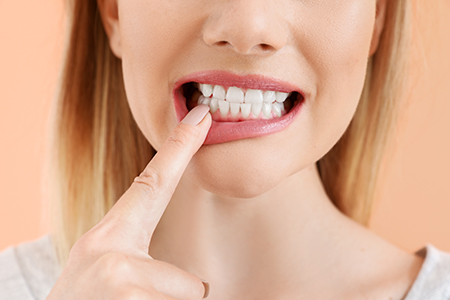
Oral health is connected to overall health in ways many people underestimate. Research has identified associations between periodontal inflammation and systemic conditions such as cardiovascular disease, diabetes control, and respiratory concerns. While these relationships are complex, reducing oral inflammation is a meaningful way to support whole-body wellness.
Maintaining healthy gums helps preserve not only teeth but also quality of life: comfortable chewing, clear speech, and a confident smile. Preventive care, timely intervention, and consistent home hygiene form the foundation of long-term periodontal stability.
At Village Dental of Leesburg, we emphasize collaborative care — working with patients to develop realistic home routines and professional maintenance schedules that fit individual needs and health histories.
Gingivitis is the earliest, reversible form of gum disease. It results from plaque-induced inflammation of the gingival tissue and is usually limited to soft tissue without destruction of the underlying bone. Signs can be subtle — slight redness, mild bleeding, or tenderness — and because discomfort is often minimal, people may delay seeking care.
Treating gingivitis focuses on removing the bacterial biofilm and creating conditions that allow the tissue to heal. That can include a more thorough professional cleaning than a routine exam, targeted instruction on brushing and flossing, and a short course of antimicrobial measures when indicated.
With attentive follow-up and improved daily care, most cases of gingivitis resolve without permanent damage. The goal at this stage is to restore a healthy, resilient gum margin and prevent progression to more destructive forms of periodontal disease.

When inflammation extends deeper than the gum margin and begins to affect the periodontal ligament and bone, the condition is called periodontitis. In this stage, the body’s response to chronic bacterial challenge leads to connective tissue breakdown and loss of the bone that anchors teeth. Over time, untreated periodontitis can cause teeth to loosen or change position, complicating chewing and restorative treatment options.
Periodontitis is staged by severity and by how quickly it progresses. Mild cases may be controlled with nonsurgical care and more frequent maintenance, while advanced disease often requires surgical intervention and regenerative techniques to restore lost support when possible.
The essential objectives of treatment are to arrest disease activity, reduce periodontal pocket depths to levels that can be maintained at home, and to rebuild or stabilize the supporting tissues where feasible.
Contemporary periodontal therapy blends time-tested approaches with newer technologies. Our care plans begin with a comprehensive assessment — probing measurements, radiographic evaluation, and review of medical history — so treatment recommendations are tailored to each patient’s situation. We prioritize minimally invasive options while remaining prepared to escalate therapy when necessary for long-term success.
Treatment may include improvements in oral hygiene education, professionally delivered cleanings, localized antimicrobial applications, and adjunctive systemic therapies when appropriate. For many patients, these measures halt progression and restore a stable periodontal environment.
When tissue loss is more extensive, procedures such as flap surgery, tissue grafting, or bone regenerative techniques can help rebuild form and function. Our approach is to explain each step clearly so patients understand the intended outcome and the maintenance required to preserve results.

The plan for treating gum disease depends on the stage of disease, the amount of tissue and bone loss, and individual health factors. After a careful exam, your clinician will outline options that aim to stop disease activity and restore a healthy, maintainable oral environment. We encourage questions so patients can participate in decision-making with confidence.
Initial steps often focus on improved plaque control, professional mechanical debridement (scaling and root planing), and targeted antimicrobial strategies to reduce bacterial load. These measures can significantly reduce pocket depths and inflammation in many cases.
When non-surgical therapy does not achieve the desired result, or when pocket depths and bone loss exceed thresholds for conservative care, surgical approaches may be recommended to access and cleanse deep areas, reduce pocket depth, and reconstruct damaged tissues where possible.
Non-surgical therapy is the first line of treatment for many patients. Procedures like scaling and root planing remove plaque and hardened deposits below the gumline and smooth root surfaces to discourage bacterial recolonization. This mechanical approach addresses the source of inflammation and gives the tissue a chance to heal.
Adjunctive measures — such as localized antimicrobial placement beneath the gums or carefully selected systemic medications when appropriate — can enhance results in specific cases. Importantly, non-surgical care must be paired with a strong home routine and regular professional maintenance to sustain improvements.
The emphasis is always on achieving health with the least invasive methods that are effective for each individual.
When pockets are too deep for thorough cleaning with non-surgical methods, or when there is significant bone loss, surgical interventions may be necessary. Pocket reduction surgery (often performed as flap surgery) provides direct access to root surfaces and allows recontouring of damaged bone and tissue to create a more maintainable anatomy.
Regenerative techniques, including bone grafts and guided tissue regeneration, aim to restore lost supporting structures where possible. Today’s surgical protocols also sometimes incorporate laser therapy to reduce bacteria and improve tissue healing in selected situations.
Following any surgical or regenerative procedure, a carefully planned maintenance schedule is essential to protect healing tissue and to preserve long-term outcomes.
If you’re concerned about changes in your gums or want to review your periodontal health, our team is here to help. We offer thorough evaluations, clear explanations of findings, and stepwise treatment plans designed to restore stability and protect your oral health. Contact us for more information.
Most people don’t realize that periodontal disease is the leading cause of tooth loss among adults. According to statistics from the Centers for Disease Control and Prevention, one out of every two adults over the age of 30 in the United States has periodontal disease.
You may be surprised to learn that the human mouth is home to a wide variety of microbes. The fact is that over 700 different strains of bacteria have been detected in the oral cavity. Although some of these bacteria are beneficial, others are harmful to oral health. Without proper oral hygiene and routine dental care, these harmful bacteria can cause tooth decay and gum disease, compromising both your oral health and overall wellbeing.
In addition to inadequate oral hygiene and infrequent professional care, other factors, including smoking, genetic tendencies, and unchecked diabetes, can contribute to the escalation of periodontal disease.
Your gums and teeth have an interdependent relationship, which means healthy teeth depend on the support of healthy gums. Also, taking care of your smile does more than keep your teeth and gums in optimal condition; good oral health also supports systemic health. In addition to being the leading cause of tooth loss in adults, researchers are finding more and more links between periodontal disease and a number of medical problems, including heart disease, stroke, diabetes, respiratory problems, and adverse pregnancy outcomes such as pre-term and low birth-weight babies.
If you notice that your gums are bleeding with the slightest pressure while brushing or flossing, it’s a sign of gingivitis. Although gingivitis is the earliest stage of gum disease, it can easily be reversed with deeper cleanings as well as an improved regimen of oral hygiene at home.
In the absence of professional treatment and better home care, gingivitis progresses to the next stage, which is known as periodontitis. In this stage, the connective tissue and bone that hold the teeth in place begin to break down with an increase in pocketing between the teeth and bone, gum recession, and bone loss. Without proper treatment by your dentist, periodontitis will progress from a mild to moderate loss of supporting tissue to the destruction of the bone around the teeth.
Although gingivitis can often be reversed with improved oral hygiene and professional cleanings, as periodontal disease advances, more extensive procedures are required to halt its progression. Based on a complete assessment of your periodontal health and a review of possible contributing factors, our office will recommend the best options in care. Treatment for periodontitis may include a series of deeper cleanings known as root planing and scaling, surgical procedures to reduce pocket depth, bone or tissue grafts, laser procedures, or antimicrobial medications.
The cost of care depends on the type of procedures required to restore your periodontal health. If you have dental insurance, plans often cover treatment to prevent gum disease as well as many procedures to treat the various stages of gum disease. Our goal is to help patients restore and maintain good oral health. We do all we can to help you begin care without additional stress or delay. Our business office works with you to maximize your benefits and provide easier, more convenient payment options.
By seeing our office regularly for care and doing your best to eat a healthy diet and practice good oral hygiene, you can keep your smile in tip-top shape as well as protect your overall wellbeing.
At the office of Village Dental of Leesburg, we provide a comprehensive range of services to address all your oral healthcare needs. You can rest assured that your smile is in the best of hands at our office. Our skilled and experienced team maintains a position at the forefront of advances in care and remains dedicated to providing the highest quality of skilled and compassionate treatment.