Call Us Today!
(703) 669-8688
New Patients
(703) 202-1740


Dental anxiety affects an estimated 30 to 40 million people across the United States. If the idea of a dental appointment raises your stress or keeps you from getting care, Village Dental of Leesburg can help. Our goal is to make dental care accessible and calm for everyone; we offer safe, carefully managed sedation options that reduce fear and make treatment comfortable without sacrificing clinical quality.
When anxiety leads people to postpone routine cleanings or delay necessary treatment, oral health can deteriorate and problems can become more complex. Sedation dentistry gives people who dread dental visits a way to get the care they need with less stress. By reducing anxiety and creating a relaxed state, sedation helps patients tolerate longer or more involved procedures and makes the overall experience more positive.
Our team emphasizes clear communication and patient-centered care. Before recommending sedation, we explain how each option works, what you can expect during the appointment, and whether an escort will be required afterward. We’ll work with you to choose a plan that addresses both comfort and safety so you can focus on the outcome—a healthier, more confident smile.
Sedation is not simply about “knocking someone out.” It’s a set of techniques designed to reduce anxiety, minimize discomfort, and allow patients to remain calm enough for dental work to proceed efficiently. For many people, sedation turns a ride-or-resist decision into a straightforward step toward better oral health. The brain’s stress response is dampened, which makes the sensations and sounds of dental treatment less troubling.
Different forms of sedation work along a spectrum from mild to deeper states of relaxation. Mild methods allow you to stay fully aware but at ease; deeper options decrease awareness of time and procedure details while keeping essential protective reflexes intact. Your medical history, the complexity of the dental care needed, and your personal comfort preferences guide the choice of technique.
Beyond reducing immediate anxiety, sedation also helps with practical barriers to care. Patients who cannot sit still, have a strong gag reflex, or require multiple complex procedures often find sedation makes treatment faster to complete and less traumatic to repeat. In short, sedation supports better clinical outcomes by enabling comfortable, focused dental visits.
Sedation can benefit a wide range of patients: people with genuine dental phobia, those facing lengthy restorative procedures, patients with sensitive gag reflexes, and individuals who have difficulty remaining still because of age, disability, or medical conditions. The decision to use sedation is individualized and always begins with a thoughtful review of your overall health and dental needs.
We evaluate medical history, current medications, and any underlying conditions that could affect sedation safety. Certain health factors may require adjustments in technique, additional monitoring, or consultation with a medical specialist. Our priority is to match the level of sedation to both the clinical requirements of the procedure and the patient’s safety profile.
Choosing sedation is often about restoring access: when fear or physical limitations prevent necessary care, sedation becomes a tool to preserve long-term oral health. It’s also an option for patients who want a calm, efficient appointment rather than multiple brief visits—helping to get more treatment completed in fewer sessions when clinically appropriate.
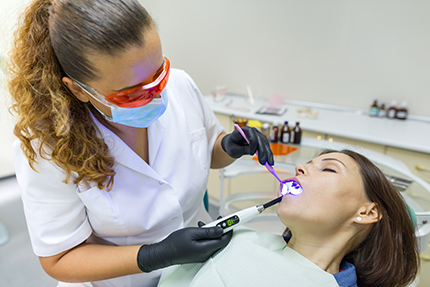
People choose sedation for many practical and emotional reasons. Some have an all-consuming fear of dental settings that prevents routine care. Others experience acute anxiety for a specific procedure, such as a root canal or implant placement. Sedation helps by reducing the emotional barrier to receiving treatment, allowing the dentist to address oral health needs effectively.
Extensive dental work is another frequent reason to consider sedation. When multiple restorations, extractions, or complex restorative steps are required, sedation can make long appointments comfortable and reduce the perception of time spent in the chair. That can be particularly helpful for patients who need to consolidate several procedures into a smaller number of visits.
Sedation also supports patients who have strong gag reflexes, sensitive teeth, or conditions that make it difficult to remain still. In these cases, calming the nervous system makes the clinical environment easier to tolerate and improves the dentist’s ability to work precisely and safely.
Our team takes a conservative, evidence-based approach when recommending sedation. We begin with a comprehensive pre-treatment conversation that covers your medical history, current medications, prior experiences with sedation or anesthesia, and your comfort goals. That information helps us select a technique that balances effectiveness with the lowest necessary level of medication.
It helps to understand the basic distinction: conscious sedation refers to methods that reduce anxiety while keeping you responsive to verbal cues and able to breathe on your own. General anesthesia, by contrast, results in a deeper, sleep-like state and requires specialized facilities and an anesthesia team. Most dental sedation in the office falls under the conscious sedation category, which is safer for routine dental procedures and allows quicker recovery.
Within conscious sedation, there are several commonly used options. We consider the length and invasiveness of the procedure, your anxiety level, and medical considerations when recommending one over another. All conscious sedation is administered under trained supervision with appropriate monitoring of oxygen, blood pressure, and heart rate.
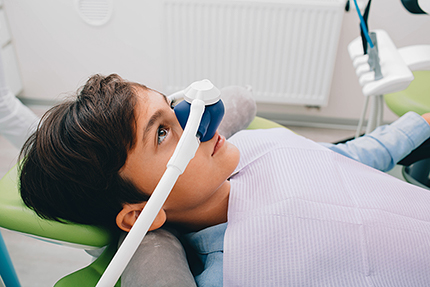
Nitrous oxide, often called "laughing gas," is inhaled through a small mask and produces mild to moderate relaxation. Its effects begin and end rapidly, which means patients recover quickly after the mask is removed. It’s an excellent option for patients with moderate anxiety or those who need a little help tolerating certain procedures while remaining alert and communicative.
Oral sedatives are taken before the appointment to produce a deeper sense of calm. These medications reduce apprehension and can leave patients feeling groggy afterward, so an escort is required to drive you to and from the office. Oral sedation is useful for patients who prefer a non-invasive option and for procedures where a moderate degree of relaxation is helpful.
IV sedation delivers medication directly into the bloodstream, allowing the clinician to adjust the level of sedation throughout the procedure. It is chosen when a stronger and more rapidly titratable effect is necessary—often for longer or more complex dental work. Patients receiving IV sedation must follow fasting instructions and will need a responsible adult to accompany them home after treatment.
IV techniques offer precise control over the depth and duration of sedation, and continuous monitoring is used to ensure patient safety and a smooth recovery.
Preparation helps ensure that sedation is safe and effective. Before any sedated procedure, we review your medical history, confirm current medications, and discuss any allergies or previous reactions to sedatives. For some techniques—especially IV sedation—you will receive clear instructions about fasting and transportation ahead of time.
On the day of treatment, our team monitors vital signs and uses standard safety equipment throughout the appointment. We explain each step as we go so you always know what to expect. Depending on the type of sedation, you may remain conversational or simply very relaxed and only vaguely aware of the procedure.
After the appointment, recovery time varies by technique. Nitrous oxide wears off quickly and you can typically resume normal activities soon after. Oral and IV sedation may produce drowsiness for several hours, so rest and a companion to drive you home are required. We provide clear, written aftercare guidance and are available to address any questions as you recover.
Safety is the foundation of any sedation program. Our clinicians are trained in sedation protocols, airway management, and emergency response. We use monitoring equipment to track oxygen levels, blood pressure, and heart rate, and we follow established guidelines to minimize risk. Before any sedation is provided, we verify that the chosen method is appropriate given your health status and the planned treatment.
Our practice emphasizes teamwork: from the initial consultation to recovery, trained staff members collaborate to maintain vigilance and comfort. We also ensure that every patient receives individualized instructions and a clear plan for post-procedure care so the recovery period is as smooth as possible.
Village Dental of Leesburg strives to offer sedation options that make high-quality dental care attainable and comfortable. If anxiety or other barriers have kept you from getting the dental care you need, consider discussing sedation with our team so we can design a safe, effective plan tailored to you.
In summary, sedation dentistry is a well-established tool that improves access to care by reducing anxiety and increasing comfort during dental procedures. If you’d like to learn more about the sedation choices available or determine whether sedation is right for you, please contact us for more information.
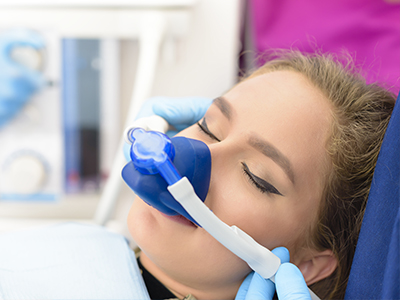
Sedation dentistry offers patients with general anxiety or fears about a dental procedure the opportunity to have a more comfortable and stress-free experience. By utilizing safe and controlled sedation techniques, the patient is eased into a state of complete relaxation before the procedure. This approach eliminates discomfort, pain, and preoperative anxiety, and typically makes patients feel more at ease post-operatively, as they have little or no memory of the actual moment-to-moment procedure.
Local anesthesia involves an injection directly into or close to the area where a procedure is being performed. While it eliminates any sensation of pain in the targeted area, it does not affect your state of mind or level of anxiety. When a patient receives sedation, additional medications to ease anxiety and promote relaxation are employed in advance of local anesthesia. In this way, both the stress and discomfort associated with a procedure are eliminated. Sedation can be administered in a variety of forms based upon patient needs and the recommendations of the dentist or dental anesthesiologist.
Choosing the most appropriate method of sedation for a procedure depends on a variety of factors such as a patient's medical history and their level of anxiety. Dental sedation can come in the form of nitrous oxide sedation, oral conscious sedation, and IV sedation. Certain patients receiving comprehensive treatment or undergoing a complex surgical procedure may require general anesthesia in a hospital setting.
Nitrous oxide, or "laughing gas," is a mild sedative, which is inhaled through a small mask over the nose. A standard in dental sedation for decades, the effects of nitrous oxide are almost immediate and wear off quickly once your procedure is completed.
Oral sedation involves the prescription of an oral medication prior to your appointment. Taken at the recommended time before your visit, oral sedation allows you to feel fully relaxed by the time you're ready for your procedure. With oral sedation, it's necessary to plan on having an escort to and from your dentist's office.
IV Sedation is administered intravenously, or directly into a vein. It is typically indicated when a deeper state of sedation is required. Your dentist will provide you with specific instructions before your visit, and require that you have an escort for the trip home from your appointment.