Call Us Today!
(703) 669-8688
New Patients
(703) 202-1740


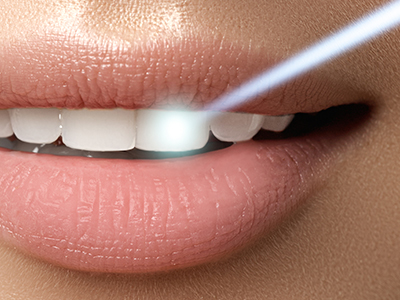
Laser dentistry uses focused beams of light to work on oral tissues with high accuracy. Modern dental lasers are engineered to interact selectively with either hard structures like enamel and dentin or soft tissues such as gums and mucosa. Because the energy can be delivered in very controlled amounts and wavelengths, clinicians are able to remove or reshape tissue with minimal impact on surrounding areas.
Unlike rotary instruments that depend on cutting edges and mechanical force, lasers change tissue at a molecular level. When the beam contacts the target, it heats and vaporizes tiny amounts of tissue, or it stimulates a chemical reaction that aids in procedures such as bonding or whitening. This method reduces the need for pressure, vibration, and sometimes anesthesia, which many patients find more comfortable than traditional approaches.
It’s important to understand that “laser dentistry” is not a single treatment but a category of techniques. Different lasers and settings are selected for specific uses, and they supplement — rather than completely replace — conventional dental tools. When chosen appropriately, lasers can make several common treatments quicker, less invasive, and more conservative of healthy tooth structure.
One of the most noticeable advantages of laser dentistry is improved patient comfort. Because lasers can operate without direct contact and with limited heat and vibration, many patients report less anxiety and discomfort during procedures. This can reduce the need for local anesthetic in some cases and make visits easier for patients who are sensitive or nervous.
Lasers also contribute to better intraoperative control. When working on soft tissues, lasers can seal small blood vessels as they cut, which reduces bleeding and creates a clearer surgical field. That advantage often results in a smoother procedure, lower risk of postoperative swelling, and a faster initial recovery period for the patient.
Beyond comfort, lasers have sterilizing effects at the treatment site. The concentrated energy destroys bacteria in periodontal pockets or root canals, supporting treatment outcomes. Their precision helps preserve healthy tooth material, which is crucial when removing decay or shaping tissue for restorations.
Dental lasers are versatile. They are frequently used in soft-tissue procedures—such as gingival contouring, removal of small oral lesions, and frenectomies—because they trim tissue cleanly and promote minimal bleeding. For patients needing cosmetic gum reshaping or treatment for minor soft-tissue concerns, lasers can often deliver predictable, aesthetically pleasing results.
For periodontal care, lasers can assist with pocket decontamination and help manage inflamed tissue alongside scaling and root planing. In endodontics, certain laser wavelengths are used to enhance disinfection inside root canals, reducing microbial load where mechanical instruments may not reach effectively.
On hard tissues, lasers can be indicated for conservative removal of decay in selected cases, or to prepare small areas of tooth structure prior to fillings. They are also used to activate in-office whitening systems and to cure some restorative materials. Still, many restorative procedures require a combination of laser use and traditional instruments depending on the clinical situation.
Despite their broad utility, lasers are not suitable for every dental task. Large or complex restorations, some crown preparations, and certain types of hard-tissue removal still rely on conventional burs and handpieces. Your clinician will evaluate each case and recommend the most appropriate tools to achieve a durable, safe outcome.
Safety is central to any treatment involving lasers. Dentists and their teams undergo specialized training to select the correct laser type, wavelength, and power settings for each procedure. Strict protocols—such as wearing protective eyewear, following manufacturer guidelines, and using appropriate isolation—help ensure procedures are performed safely and effectively.
Clinicians also assess patient-specific factors before recommending laser care. Certain medical conditions or the presence of specific dental materials can influence whether a laser is the best option. A careful examination and dialogue about medical history, oral health goals, and comfort preferences guide that decision-making process.
Another safety advantage is infection control: because lasers can seal tissue and reduce bacterial counts at the treatment site, they complement sterile technique and may lower the risk of postoperative complications. That said, lasers are a tool within a broader clinical protocol; adherence to comprehensive sterilization and procedural standards remains essential.
The process typically begins with a consultation and oral exam to determine whether laser treatment fits your needs. During that visit, your clinician will explain how the laser will be used, what sensations to expect, and any preparatory steps you should take. This conversation helps set realistic expectations and addresses any concerns about comfort or recovery.
During the procedure you may feel mild warmth, tingling, or pressure depending on the area being treated and the laser type. Because lasers can reduce bleeding and swelling, many patients notice less postoperative discomfort. In some soft-tissue cases, local anesthesia may not be necessary; for others, topical or injectable anesthetic will be used to keep you comfortable throughout the treatment.
Aftercare instructions vary by procedure but often include simple measures like a soft diet for a short period, gentle oral hygiene around the treated site, and over-the-counter pain relief if needed. Healing tends to be predictable and, in many cases, faster than with traditional surgical techniques. Your clinician will schedule follow-up visits as appropriate to monitor healing and confirm the success of the treatment.
If you have specific concerns—such as anxiety, sensitivity, or a complex dental history—bring them up during your consultation. The team will tailor their approach to prioritize safety, comfort, and long-term oral health outcomes.
Laser dentistry adds a valuable set of options to modern dental care, offering precision, patient comfort, and faster initial healing for many procedures. If you’d like to learn whether laser treatment is appropriate for your situation, our team at Village Dental of Leesburg can help evaluate your needs and explain the next steps. Contact us for more information and to discuss your options.
Laser dentistry uses focused beams of light to perform dental procedures with high precision. It can be used on both hard tissues, like teeth, and soft tissues, like gums, allowing for more targeted and minimally invasive treatment.
Yes, laser dentistry is safe when performed by a trained dental professional. Dentists follow strict safety protocols, including protective eyewear and proper settings, to ensure effective and secure treatment.
Most patients find laser dentistry more comfortable than traditional methods. Because it reduces vibration, pressure, and heat, many procedures involve little to no discomfort and may require less anesthesia.
Laser dentistry offers several benefits, including improved comfort, reduced bleeding, faster healing, and increased precision. It can also help preserve more healthy tissue and reduce bacteria during treatment.
Dental lasers can be used for a variety of procedures, including gum contouring, treating gum disease, removing decay, disinfecting root canals, and teeth whitening. They are often used alongside traditional dental tools.
In some cases, yes. While lasers are highly effective for many treatments, certain procedures—such as large restorations or complex cases—may still require traditional dental instruments.
Recovery is typically quick and comfortable. Patients may experience minimal swelling or discomfort and are usually given simple aftercare instructions, such as maintaining good oral hygiene and following a soft diet if needed.